Conic Sections: Circle
1.Definition of Circle
Circle (စက်ဝိုင်း) ဆိုတာ ပြင်ညီ (plane) တစ်ခုပေါ်မှာရှိတဲ့ အမှတ်တွေရဲ့ အစုအဝေးဖြစ်ပါတယ်။
အဲဒီအမှတ်တွေဟာ သတ်မှတ်ထားတဲ့ ပုံသေအမှတ် (fixed point) တစ်ခုကနေ အမြဲတမ်း အကွာအဝေး တူညီနေကြပါတယ်။
အဲဒီ ပုံသေအမှတ်ကို စက်ဝိုင်းရဲ့ ဗဟို (center) လို့ ခေါ်ပါတယ်။
တူညီနေတဲ့ အကွာအဝေးကိုတော့ စက်ဝိုင်းရဲ့ အချင်းဝက် (radius) လို့ ခေါ်ပါတယ်။
ယခု ဆက်လက်ပြီး radius $\displaystyle r$ နဲ့ center $\displaystyle (h, k)$ ရှိတဲ့ စက်ဝိုင်းတစ်ခုရဲ့ ဖွဲ့စည်းပုံကို အောက်ပါ ပုံကြမ်းလေးနဲ့ အရင်လေ့လာကြည့်ကြပါမယ်။
2. Derivation of Standard Equation
စက်ဝိုင်းတစ်ခုရဲ့ ဗဟိုအမှတ်ကို $\displaystyle C(h, k)$ လို့ သတ်မှတ်ပါမယ်။
အဲဒီစက်ဝိုင်းပေါ်မှာရှိတဲ့ မည်သည့်အမှတ်ကိုမဆို $\displaystyle P(x, y)$ လို့ ကိုယ်စားပြု သတ်မှတ်ပါမယ်။
စက်ဝိုင်းရဲ့ အဓိပ္ပါယ်ဖွင့်ဆိုချက်အရ စက်ဝိုင်းပေါ်က အမှတ်တိုင်းဟာ ဗဟိုကနေ တူညီတဲ့ အကွာအဝေးမှာ ရှိနေကြပါတယ်။
ဒါကြောင့် $\displaystyle C(h, k)$ နဲ့ $\displaystyle P(x, y)$ ကြားက အကွာအဝေးဟာ အချင်းဝက် $\displaystyle r$ နဲ့ ညီမျှပါတယ်။
အမှတ်နှစ်ခုကြား အကွာအဝေးရှာတဲ့ Distance formula ကို အသုံးပြုပြီး တွက်ကြည့်တဲ့အခါ အောက်ပါအတိုင်း ရရှိပါမယ်။
ညီမျှခြင်းရဲ့ တစ်ဖက်စီကို နှစ်ထပ်ကိန်း (square) တင်လိုက်တဲ့အခါ အောက်ပါ Standard Form ကို ရရှိပါမယ်။
ဒီညီမျှခြင်းကို စက်ဝိုင်းရဲ့ Standard Form လို့ ခေါ်ပါတယ်။
ဒီညီမျှခြင်းကို ကြည့်လိုက်တာနဲ့ စက်ဝိုင်းရဲ့ ဗဟို $\displaystyle (h, k)$ နဲ့ အချင်းဝက် $\displaystyle r$ ကို အလွယ်တကူ တိုက်ရိုက် သိရှိနိုင်ပါတယ်။
3. Conversion from Standard Equation to General Equation
ယခုအခါ Standard form ညီမျှခြင်း $\displaystyle (x-h)^{2}+(y-k)^{2}=r^{2}$ ကနေ General form ကို ဘယ်လိုပြောင်းလဲနိုင်လဲဆိုတာ ဆက်လက် လေ့လာပါမယ်။
အထက်ပါ Standard form ညီမျှခြင်းကို အပြည့်အစုံ ဖြန့်ချ (expand) လိုက်တဲ့အခါ အောက်ပါအတိုင်း ရရှိပါမယ်။
ညီမျှခြင်းကို စနစ်တကျ ပြန်လည်စီစဉ်လိုက်တဲ့အခါ အောက်ပါပုံစံ ရရှိပါတယ်။
ဒီညီမျှခြင်းမှာ ပါဝင်တဲ့ ကိန်းသေတွေကို ရိုးရှင်းသွားအောင် $\displaystyle 2g=-2h$, $\displaystyle 2f=-2k$ နဲ့ $\displaystyle e=h^{2}+k^{2}-r^{2}$ လို့ အစားထိုး သတ်မှတ်လိုက်ပါမယ်။
အစားထိုးပြီးတဲ့အခါ အောက်ပါ General Form ညီမျှခြင်းကို ရရှိပါတယ်။
အရေးကြီးသော ဆက်စပ်မှုများ: $\displaystyle g = -h$, $\displaystyle f = -k$, $\displaystyle e = h^{2} + k^{2} - r^{2}$
ဒီညီမျှခြင်းဟာ စက်ဝိုင်းရဲ့ General Form ပဲ ဖြစ်ပါတယ်။ ဒီနေရာမှာ သတိပြုရမယ့်အချက်က $\displaystyle x^{2}$ နဲ့ $\displaystyle y^{2}$ ရဲ့ မြှောက်ဖော်ကိန်း (coefficient) တွေဟာ အမြဲတမ်း တူညီနေရမှာ ဖြစ်ပြီး $\displaystyle xy$ ပါဝင်တဲ့ ကိန်း (term) လုံးဝ မပါရှိရပါဘူး။
4. Conversion from General Equation to Standard Equation
ယခုတစ်ခါ $\displaystyle x^{2}+y^{2}+2gx+2fy+e=0$ ညီမျှခြင်းကနေ Standard Form ကို ပြန်လည်ပြောင်းလဲတဲ့အခါ Completing the square (နှစ်ထပ်ကိန်းပြည့် ဖွဲ့ခြင်း) နည်းလမ်းကို အသုံးပြုပါမယ်။
ပထမအဆင့်အနေနဲ့ $\displaystyle x$ ပါတဲ့ကိန်းတွေနဲ့ $\displaystyle y$ ပါတဲ့ကိန်းတွေကို သီးသန့် စုစည်းပြီး ကိန်းသေ $\displaystyle e$ ကို ညာဘက်သို့ ရွှေ့ပါမယ်။
ဒုတိယအဆင့်အနေနဲ့ Perfect square ဖြစ်အောင် $\displaystyle g^{2}$ နဲ့ $\displaystyle f^{2}$ ကို ညီမျှခြင်း နှစ်ဖက်လုံးမှာ ပေါင်းထည့်ပါမယ်။
တတိယအဆင့်မှာ Standard form ပုံစံအတိုင်း Perfect square ပြန်ဖွဲ့ပြီး ရေးသားပါမယ်။
ဒီအဆင့်ကို ရောက်တဲ့အခါ $\displaystyle (x-h)^{2}+(y-k)^{2}=r^{2}$ နဲ့ နှိုင်းယှဉ်နိုင်ပါပြီ။
အမှန်တကယ် တည်ရှိသော စက်ဝိုင်း (Real circle) ဖြစ်ရန်အတွက် $\displaystyle g^{2} + f^{2} - e > 0$ ဖြစ်ရပါမည်။ အကယ်၍ သုညနှင့် ညီနေပါက အမှတ်စက်ဝိုင်း (Point circle) သာ ဖြစ်တည်မည်ဖြစ်ပြီး၊ သုညထက် ငယ်နေပါက အမှန်တကယ် စက်ဝိုင်း မဖြစ်တည်နိုင်ပါ။
5. Center and Radius Formula
အထက်ပါ တွက်ချက်မှုများအရ General Equation ကို ပေးထားလျှင် စက်ဝိုင်း၏ ဗဟိုနှင့် အချင်းဝက်ကို အောက်ပါ ပုံသေနည်းများဖြင့် တိုက်ရိုက် ရှာဖွေနိုင်ပါတယ်။
| ရှာဖွေရန် (Item) | ပုံသေနည်း (Formula) |
|---|---|
| ဗဟို (Center) | $\displaystyle (-g, -f)$ |
| အချင်းဝက် (Radius) | $\displaystyle \sqrt{g^{2}+f^{2}-e}$ |
6. Visualization of Standard Form
အောက်ပါပုံကြမ်းတွင် စက်ဝိုင်း၏ Standard form ညီမျှခြင်း မည်သို့ ဖြစ်တည်လာသည်ကို မြင်သာအောင် ပြသထားပါတယ်။
ပုံတွင် ပြသထားသည့်အတိုင်း ရေပြင်ညီ အကွာအဝေးသည် $\displaystyle x-h$ ဖြစ်ပြီး၊ ဒေါင်လိုက် အကွာအဝေးသည် $\displaystyle y-k$ ဖြစ်ပါတယ်။ အချင်းဝက် $\displaystyle r$ သည် ထောင့်မှန်တြိဂံ၏ ထောင့်ဖြတ်မျဉ်း (hypotenuse) ဖြစ်သောကြောင့် Pythagoras ၏ သီအိုရမ်အရ $\displaystyle (x-h)^{2}+(y-k)^{2}=r^{2}$ ကို ရရှိခြင်းဖြစ်ပါတယ်။
7. Worked Examples
ယခု သင်ယူခဲ့သော သဘောတရားများကို အသုံးပြု၍ ပုစ္ဆာများကို တွက်ချက်ကြည့်ပါမည်။
စက်ဝိုင်းညီမျှခြင်း $\displaystyle (x-3)^{2}+(y+2)^{2}=25$ ကို General form သို့ ပြောင်းပါ။
ပေးထားသော ညီမျှခြင်းကို ဖြန့်ချာပါမယ်။
ရရှိလာသော ညီမျှခြင်းကို $\displaystyle x^{2}+y^{2}+2gx+2fy+e=0$ နှင့် နှိုင်းယှဉ်လျှင် $\displaystyle 2g=-6 \implies g=-3$၊ $\displaystyle 2f=4 \implies f=2$၊ နှင့် $\displaystyle e=-12$ ဖြစ်ကြောင်း တွေ့ရှိနိုင်ပါတယ်။
စက်ဝိုင်းညီမျှခြင်း $\displaystyle x^{2}+y^{2}-6x+4y-12=0$ ကို Standard form သို့ ပြောင်းပါ။
Completing the square နည်းလမ်းကို အသုံးပြုပါမယ်။
ထို့ကြောင့် စက်ဝိုင်း၏ ဗဟိုမှာ $\displaystyle (3, -2)$ ဖြစ်ပြီး အချင်းဝက်မှာ $\displaystyle 5$ ဖြစ်ပါတယ်။
$\displaystyle x^{2}+y^{2}+8x-10y+9=0$ စက်ဝိုင်းညီမျှခြင်း၏ ဗဟိုနှင့် အချင်းဝက်ကို ရှာပါ။
ပေးထားသော ညီမျှခြင်းကို General form $\displaystyle x^{2}+y^{2}+2gx+2fy+e=0$ နှင့် နှိုင်းယှဉ်ပါမယ်။
စက်ဝိုင်း၏ ဗဟို $\displaystyle (-g, -f)$ ကို အောက်ပါအတိုင်း ရရှိပါမယ်။
စက်ဝိုင်း၏ အချင်းဝက် $\displaystyle r$ ကို အောက်ပါ ပုံသေနည်းဖြင့် ရှာပါမယ်။
ဒါကြောင့် ဤစက်ဝိုင်း၏ ဗဟိုမှာ $\displaystyle (-4, 5)$ ဖြစ်ပြီး အချင်းဝက်မှာ $\displaystyle 4\sqrt{2}$ ဖြစ်ပါတယ်။
8. Practice Questions
အထက်ပါ သဘောတရားများကို နားလည်ပြီးနောက် အောက်ပါပုစ္ဆာများကို ကိုယ်တိုင် လေ့ကျင့်တွက်ချက်ကြည့်ပါ။
(၁) စက်ဝိုင်းညီမျှခြင်း $\displaystyle (x-h)^{2}+(y-k)^{2}=r^{2}$ မှနေ၍ General equation သို့ အဆင့်ဆင့် တွက်ချက်ပြပါ။
(၂) $\displaystyle (x+4)^{2}+(y-5)^{2}=36$ ကို General form သို့ ပြောင်းပါ။
(၃) $\displaystyle x^{2}+y^{2}+10x-8y+5=0$ ကို Standard form သို့ ပြောင်းပါ။
(၄) $\displaystyle x^{2}+y^{2}-12x+6y-4=0$ ညီမျှခြင်း၏ ဗဟိုနှင့် အချင်းဝက်ကို ရှာပါ။
(၅) စက်ဝိုင်းညီမျှခြင်း $\displaystyle x^{2}+y^{2}+2gx+2fy+e=0$ အတွက် ဗဟိုသည် $\displaystyle (-g, -f)$ ဖြစ်ကြောင်း သက်သေပြပါ။
Quick Answer Key
| နံပါတ် | အဖြေ |
|---|---|
| ၂ | $\displaystyle x^{2}+y^{2}+8x-10y+5=0$ |
| ၃ | $\displaystyle (x+5)^{2}+(y-4)^{2}=36$ |
| ၄ | ဗဟို = $\displaystyle (6, -3)$၊ အချင်းဝက် = $\displaystyle 7$ |
| ၅ | Completing the square ပြုလုပ်ခြင်းဖြင့် $\displaystyle (x+g)^{2}+(y+f)^{2}=g^{2}+f^{2}-e$ ကို ရရှိပြီး ဗဟိုသည် $\displaystyle (-g, -f)$ ဖြစ်လာပါတယ်။ |
9. Final Summary
ယနေ့ သင်ခန်းစာတွင် လေ့လာခဲ့သော စက်ဝိုင်းနှင့် ပတ်သက်သည့် ညီမျှခြင်းများကို အောက်ပါအတိုင်း အနှစ်ချုပ် မှတ်သားထားနိုင်ပါတယ်။
| ပုံစံ (Form) | ညီမျှခြင်း (Equation) | အဓိပ္ပါယ် (Meaning) |
|---|---|---|
| Standard Form | $\displaystyle (x-h)^{2}+(y-k)^{2}=r^{2}$ | စက်ဝိုင်း၏ ဗဟိုနှင့် အချင်းဝက်ကို တိုက်ရိုက် သိရှိနိုင်သော ပုံစံ |
| General Form | $\displaystyle x^{2}+y^{2}+2gx+2fy+e=0$ | Standard form ကို ဖြန့်ချာထားသော အက္ခရာသင်္ချာပုံစံ |
| ဗဟို (Center) | $\displaystyle (-g, -f)$ | Completing the square ပြုလုပ်ပြီးနောက် ရရှိလာသော ဗဟိုအမှတ် |
| အချင်းဝက် (Radius) | $\displaystyle \sqrt{g^{2}+f^{2}-e}$ | အမှန်တကယ် စက်ဝိုင်းဖြစ်တည်ရန် $\displaystyle g^{2}+f^{2}-e>0$ ဖြစ်ရမည်။ |
အဓိက မှတ်သားထားရမည့် အချက်: Standard form သည် Distance formula ကို အခြေခံ၍ ဖြစ်တည်လာပြီး၊ ယင်းမှတစ်ဆင့် ဖြန့်ချာလိုက်သောအခါ General form ကို ရရှိပါတယ်။ ထို့အတူ General form မှနေ၍ Completing the square ပြုလုပ်ခြင်းဖြင့် Standard form သို့ အပြန်အလှန် လွယ်ကူစွာ ပြောင်းလဲနိုင်ပါတယ်။
Conic Sections: Parabola
10. Introduction and Definition of Parabola
ဆရာတို့ အရင်သင်ခန်းစာမှာ Circle (စက်ဝိုင်း) အကြောင်းကို လေ့လာခဲ့ပြီးဖြစ်ပါတယ်။ ယခု ဆက်လက်ပြီး Conic Section နောက်တစ်မျိုးဖြစ်တဲ့ Parabola (ပါရာဘိုလာ) အကြောင်းကို အသေးစိတ် လေ့လာကြပါမယ်။
အဓိပ္ပါယ်ဖွင့်ဆိုချက် (Definition): Parabola ဆိုတာ ပြင်ညီ (plane) တစ်ခုပေါ်မှာရှိတဲ့ အမှတ် $\displaystyle P(x, y)$ တွေရဲ့ အစုအဝေး (Locus) ဖြစ်ပါတယ်။ အဲဒီအမှတ်တိုင်းဟာ သတ်မှတ်ထားတဲ့ ပုံသေမျဉ်း (fixed line) တစ်ခုနဲ့၊ ထိုမျဉ်းပေါ်မှာ မရှိတဲ့ ပုံသေအမှတ် (fixed point) တစ်ခုတို့ကနေ အမြဲတမ်း အကွာအဝေး တူညီနေကြပါတယ်။
အဆိုပါ ပုံသေအမှတ်ကို Focus (ဆုံမှတ်) ဟုခေါ်ပြီး $\displaystyle F$ ဖြင့် ကိုယ်စားပြုပါတယ်။ ပုံသေမျဉ်းကိုတော့ Directrix (ညွှန်မျဉ်း) လို့ ခေါ်ပါတယ်။
အဓိပ္ပါယ်ဖွင့်ဆိုချက်အရ Parabola ပေါ်ရှိ မည်သည့်အမှတ် $\displaystyle P$ ကနေမဆို Focus သို့ အကွာအဝေး $\displaystyle PF$ သည်၊ အမှတ် $\displaystyle P$ မှ Directrix ပေါ်သို့ ဆွဲချလိုက်သော ထောင့်မှန်ကျမျဉ်း၏ အကွာအဝေး $\displaystyle PD$ နှင့် အမြဲတမ်း ညီမျှနေရပါမယ်။ ($\displaystyle PF = PD$)
11. Parts of a Parabola
Parabola တစ်ခုကို စနစ်တကျ လေ့လာနိုင်ရန် အောက်ပါ အဓိက အစိတ်အပိုင်းများကို သိရှိထားရပါမယ်။
| ဝေါဟာရ (Term) | အဓိပ္ပါယ် (Meaning) |
|---|---|
| Focus $\displaystyle F$ | Parabola အတွင်းပိုင်းရှိ ပုံသေအမှတ် (ဆုံမှတ်)။ |
| Directrix | Parabola ၏ အပြင်ဘက်ရှိ ပုံသေမျဉ်း (ညွှန်မျဉ်း)။ |
| Axis of Symmetry | Focus ကို ဖြတ်သွားပြီး Directrix နှင့် ထောင့်မှန်ကျသော မျဉ်း။ ယင်းမျဉ်းသည် Parabola ကို အချိုးညီ နှစ်ခြမ်းခွဲပေးပါတယ်။ |
| Vertex $\displaystyle V$ | Parabola နှင့် Axis of symmetry တို့ ဖြတ်သန်းသွားသော အမှတ် (ထိပ်မှတ်)။ ၎င်းသည် Focus နှင့် Directrix တို့၏ အတိအကျ အလယ်ဗဟိုတွင် ရှိပါတယ်။ |
| Latus Rectum | Focus ကို ဖြတ်သန်းပြီး Axis of symmetry နှင့် ထောင့်မှန်ကျသော မျဉ်းပိုင်း (Chord)။ ယင်း၏ အစွန်းနှစ်ဖက်သည် Parabola ပေါ်တွင် ရှိပါတယ်။ |
ယေဘုယျအားဖြင့် Vertex မှ Focus သို့ အကွာအဝေးကို $\displaystyle p$ ဟု သတ်မှတ်ပါတယ်။ ထို့ကြောင့် Vertex မှ Directrix သို့ အကွာအဝေးသည်လည်း $\displaystyle p$ ပင်ဖြစ်ပါတယ်။ ဒါကြောင့် Focus မှ Directrix သို့ စုစုပေါင်း အကွာအဝေးသည် $\displaystyle 2p$ ဖြစ်လာပါတယ်။ (မှတ်ချက် - အချို့သော သင်ရိုးများတွင် $\displaystyle p$ အစား $\displaystyle a$ ဟုလည်း အသုံးပြုလေ့ရှိပါတယ်။)
12. Derivation of Standard Equation $\displaystyle y^{2} = 4px$
အလွယ်ကူဆုံး အခြေအနေအနေဖြင့် Vertex ကို Origin $\displaystyle (0, 0)$ တွင် ထားရှိပြီး၊ Axis of symmetry ကို $\displaystyle x$-axis ပေါ်တွင် ထားရှိကြည့်ပါမယ်။
Vertex မှ Focus အကွာအဝေးကို $\displaystyle p \quad (p>0)$ ဟု သတ်မှတ်လျှင်၊ Focus $\displaystyle F$ ၏ ကိုဩဒိနိတ်မှာ $\displaystyle (p, 0)$ ဖြစ်လာပါမယ်။
Vertex မှ Directrix အကွာအဝေးသည်လည်း $\displaystyle p$ ဖြစ်သောကြောင့်၊ Directrix ၏ ညီမျှခြင်းမှာ $\displaystyle x = -p$ ဖြစ်လာပါမယ်။
Parabola ပေါ်ရှိ မည်သည့်အမှတ်ကိုမဆို $\displaystyle P(x, y)$ ဟု သတ်မှတ်ပါမယ်။ $\displaystyle P$ မှ Directrix ပေါ်သို့ ဆွဲချလိုက်သော ထောင့်မှန်ကျအမှတ်ကို $\displaystyle D$ ဟုခေါ်ဆိုပါက $\displaystyle D$ ၏ ကိုဩဒိနိတ်မှာ $\displaystyle (-p, y)$ ဖြစ်ပါမယ်။
$\displaystyle P(x, y)$ နှင့် $\displaystyle F(p, 0)$ ကြားရှိ အကွာအဝေးကို ရှာပါမယ်။
$\displaystyle P(x, y)$ မှ $\displaystyle D(-p, y)$ သို့ အကွာအဝေးကို ရှာပါမယ်။
Parabola ၏ သဘောတရားအရ $\displaystyle PF$ နှင့် $\displaystyle PD$ ညီမျှရပါမယ်။
$\displaystyle x^{2}$ နှင့် $\displaystyle p^{2}$ များကို ချေလိုက်သောအခါ -
ထို့ကြောင့် $\displaystyle y^{2} = 4px$ သည် ညာဘက်သို့ ပွင့်နေသော (Opens to the right) Parabola ၏ Standard equation ဖြစ်လာပါတယ်။
Latus Rectum ၏ အလျား: Latus rectum သည် Focus $\displaystyle (p, 0)$ ကို ဖြတ်သွားသောကြောင့် $\displaystyle x = p$ ဖြစ်ပါတယ်။ ယင်းကို ညီမျှခြင်းတွင် အစားထိုးပါက $\displaystyle y^{2} = 4p(p) = 4p^{2} \implies y = \pm 2p$ ရရှိပါတယ်။ ထို့ကြောင့် Latus Rectum ၏ အစွန်းမှတ်များမှာ $\displaystyle (p, 2p)$ နှင့် $\displaystyle (p, -2p)$ ဖြစ်ပြီး၊ ယင်း၏ စုစုပေါင်း အလျားမှာ $\displaystyle 4p$ ဖြစ်ပါတယ်။
13. Standard Equations with Vertex at $\displaystyle (0, 0)$
Vertex သည် $\displaystyle (0, 0)$ တွင်ရှိပြီး $\displaystyle p > 0$ ဟု သတ်မှတ်ထားသော Parabola ၏ လားရာ (၄) မျိုးအတွက် Standard Equation များကို အောက်ပါဇယားဖြင့် မှတ်သားနိုင်ပါတယ်။
| ညီမျှခြင်း (Equation) | Vertex | Focus | Directrix | Axis of Symmetry | လားရာ (Opening) |
|---|---|---|---|---|---|
| $\displaystyle y^{2} = 4px$ | $\displaystyle (0, 0)$ | $\displaystyle (p, 0)$ | $\displaystyle x = -p$ | Horizontal, $\displaystyle y = 0$ | ညာဘက် (Right) |
| $\displaystyle y^{2} = -4px$ | $\displaystyle (0, 0)$ | $\displaystyle (-p, 0)$ | $\displaystyle x = p$ | Horizontal, $\displaystyle y = 0$ | ဘယ်ဘက် (Left) |
| $\displaystyle x^{2} = 4py$ | $\displaystyle (0, 0)$ | $\displaystyle (0, p)$ | $\displaystyle y = -p$ | Vertical, $\displaystyle x = 0$ | အထက် (Up) |
| $\displaystyle x^{2} = -4py$ | $\displaystyle (0, 0)$ | $\displaystyle (0, -p)$ | $\displaystyle y = p$ | Vertical, $\displaystyle x = 0$ | အောက် (Down) |
y² = 4px (Right)
y² = -4px (Left)
x² = 4py (Up)
x² = -4py (Down)
14. Translation of Axes and Parabolas with Vertex at $\displaystyle (h, k)$
အကယ်၍ Parabola ၏ Vertex ကို မူလ Origin $\displaystyle (0, 0)$ မှနေ၍ အခြားသော အမှတ် $\displaystyle (h, k)$ သို့ ရွှေ့ပြောင်း (Translate) လိုက်ပါက၊ ကိုဩဒိနိတ်ဝင်ရိုးအသစ် $\displaystyle x^{\prime}, y^{\prime}$ များအရ ညီမျှခြင်းများ ပြောင်းလဲသွားပါမယ်။
ဆက်စပ်မှု ပုံသေနည်းမှာ $\displaystyle x = x^{\prime} + h$ နှင့် $\displaystyle y = y^{\prime} + k$ ဖြစ်ပါတယ်။ ထို့ကြောင့် ဝင်ရိုးအသစ်များအတွက် $\displaystyle x^{\prime} = x - h$ နှင့် $\displaystyle y^{\prime} = y - k$ ဟု ရရှိပါတယ်။
ယင်းသဘောတရားကို အသုံးပြုလိုက်သောအခါ ဝင်ရိုးအသစ် $\displaystyle x^{\prime}, y^{\prime}$ များဖြင့် $\displaystyle Vertex(h, k)$ တွင်ရှိသော Standard Equation အသစ်များကို အောက်ပါအတိုင်း ရရှိလာပါတယ်။
(y-k)² = 4p(x-h) (Right)
(y-k)² = -4p(x-h) (Left)
(x-h)² = 4p(y-k) (Up)
(x-h)² = -4p(y-k) (Down)
| ညီမျှခြင်း (Equation) | Vertex | Focus | Directrix | Axis of Symmetry | လားရာ (Opening) |
|---|---|---|---|---|---|
| $\displaystyle (y-k)^{2} = 4p(x-h)$ | $\displaystyle (h, k)$ | $\displaystyle (h+p, k)$ | $\displaystyle x = h-p$ | $\displaystyle y = k$ | ညာဘက် (Right) |
| $\displaystyle (y-k)^{2} = -4p(x-h)$ | $\displaystyle (h, k)$ | $\displaystyle (h-p, k)$ | $\displaystyle x = h+p$ | $\displaystyle y = k$ | ဘယ်ဘက် (Left) |
| $\displaystyle (x-h)^{2} = 4p(y-k)$ | $\displaystyle (h, k)$ | $\displaystyle (h, k+p)$ | $\displaystyle y = k-p$ | $\displaystyle x = h$ | အထက် (Up) |
| $\displaystyle (x-h)^{2} = -4p(y-k)$ | $\displaystyle (h, k)$ | $\displaystyle (h, k-p)$ | $\displaystyle y = k+p$ | $\displaystyle x = h$ | အောက် (Down) |
15. General Form Equation
Conic section များ၏ အထွေထွေညီမျှခြင်း $\displaystyle Ax^{2} + Bxy + Cy^{2} + Dx + Ey + F = 0$ တွင်၊ $\displaystyle B=0$ ဖြစ်ပြီး $\displaystyle A$ သို့မဟုတ် $\displaystyle C$ တစ်ခုတည်းသာ သုညဖြစ်နေပါက ယင်းညီမျှခြင်းသည် Parabola ကို ကိုယ်စားပြုပါတယ်။
ဒါကြောင့် Parabola ၏ General Equation များကို အောက်ပါအတိုင်း ပုံစံနှစ်မျိုး ခွဲခြားရေးသားနိုင်ပါတယ်။
(၁) Vertical Axis (အထက်/အောက် ပွင့်သော Parabola အတွက်):
$$ \begin{aligned} Ax^{2} + Dx + Ey + F &= 0 \end{aligned} $$(၂) Horizontal Axis (ဘယ်/ညာ ပွင့်သော Parabola အတွက်):
$$ \begin{aligned} Cy^{2} + Dx + Ey + F &= 0 \end{aligned} $$ပေးထားသော General Form မှနေ၍ Vertex, Focus နှင့် Directrix များကို ရှာဖွေလိုပါက Completing the square (နှစ်ထပ်ကိန်းပြည့်ဖွဲ့ခြင်း) နည်းလမ်းကို အသုံးပြု၍ Standard Form သို့ ပြန်လည်ပြောင်းလဲ တွက်ချက်ရပါမယ်。
16. Worked Examples
ယခု သင်ယူခဲ့သော သဘောတရားများကို အသုံးပြု၍ ပုစ္ဆာများကို တွက်ချက်ကြည့်ပါမည်။
Example 6
အောက်ပါ Parabola ညီမျှခြင်းများအတွက် Vertex, Focus, Directrix နှင့် Latus rectum ၏ အစွန်းမှတ်များကို ရှာပြီး ပုံကြမ်းဆွဲပါ။
(a) $\displaystyle x^{2} = 16y$
(b) $\displaystyle y^{2} + 8x = 0$
(a) $\displaystyle x^{2} = 16y$
$\displaystyle x^{2} = 4py$ ဖြင့် နှိုင်းယှဉ်ပါက $\displaystyle 4p = 16 \implies p = 4$ ရရှိပါတယ်။
ထို့ကြောင့် ဤ Parabola သည် အထက်သို့ ပွင့်နေပြီး -
Vertex $\displaystyle V = (0, 0)$
Focus $\displaystyle F = (0, 4)$
Directrix သည် $\displaystyle y = -4$
Latus rectum ၏ အစွန်းမှတ်များမှာ $\displaystyle (-8, 4)$ နှင့် $\displaystyle (8, 4)$ ဖြစ်ပါတယ်။
(b) $\displaystyle y^{2} + 8x = 0$
$\displaystyle y^{2} = -4px$ ဖြင့် နှိုင်းယှဉ်ပါက $\displaystyle 4p = 8 \implies p = 2$ ရရှိပါတယ်။
ထို့ကြောင့် ဤ Parabola သည် ဘယ်ဘက်သို့ ပွင့်နေပြီး -
Vertex $\displaystyle V = (0, 0)$
Focus $\displaystyle F = (-2, 0)$
Directrix သည် $\displaystyle x = 2$
Latus rectum ၏ အစွန်းမှတ်များမှာ $\displaystyle (-2, -4)$ နှင့် $\displaystyle (-2, 4)$ ဖြစ်ပါတယ်။
Example 7
$\displaystyle y$-axis ပေါ်တွင် အချိုးညီမျဉ်း (Symmetric axis) ရှိပြီး၊ Vertex သည် Origin တွင်ရှိကာ၊ အမှတ် $\displaystyle (5, 2)$ ကို ဖြတ်သန်းသွားသော Parabola ၏ ညီမျှခြင်းကို ရှာပါ။
Parabola သည် $\displaystyle y$-axis ပေါ်တွင် အချိုးညီပြီး Vertex သည် $\displaystyle (0,0)$ တွင်ရှိသောကြောင့် ညီမျှခြင်းပုံစံမှာ $\displaystyle x^{2} = 4py$ ဖြစ်ပါတယ်။
အမှတ် $\displaystyle (5, 2)$ ကို ဖြတ်သန်းသောကြောင့် $\displaystyle x=5, y=2$ ကို အစားထိုးပါမယ်။
ထို့ကြောင့် Parabola ၏ ညီမျှခြင်းမှာ $\displaystyle x^{2} = \frac{25}{2}y$ ဖြစ်ပါတယ်။
Example 8
$\displaystyle y^{2} - 12x - 6y - 3 = 0$ ညီမျှခြင်းကို Standard form သို့ ပြောင်းပါ။ Vertex, Focus, Directrix များကို ရှာပါ။
Completing the square ပြုလုပ်ရန် $\displaystyle -6$ ၏ တစ်ဝက် $\displaystyle -3$ ကို နှစ်ထပ်ကိန်းတင်၍ ညီမျှခြင်း နှစ်ဖက်လုံးတွင် $\displaystyle 9$ ပေါင်းထည့်ပါမယ်။
Standard form $\displaystyle (y - k)^{2} = 4p(x - h)$ နှင့် နှိုင်းယှဉ်လျှင် $\displaystyle h = -1, k = 3$ နှင့် $\displaystyle 4p = 12 \implies p = 3$ ရရှိပါတယ်။
ထို့ကြောင့် -
Vertex $\displaystyle V = (-1, 3)$
Focus $\displaystyle F = (h+p, k) = (-1+3, 3) = (2, 3)$
Directrix သည် $\displaystyle x = h-p = -1-3 = -4 \implies x = -4$
Example 9
$\displaystyle x^{2} - 2x + 8y - 23 = 0$ ညီမျှခြင်းကို Standard form သို့ ပြောင်းပါ။ Vertex, Focus, Directrix များကို ရှာပါ။
Completing the square ပြုလုပ်ရန် $\displaystyle -2$ ၏ တစ်ဝက် $\displaystyle -1$ ကို နှစ်ထပ်ကိန်းတင်၍ $\displaystyle 1$ ကို ပေါင်းထည့်ပါမယ်။
Standard form $\displaystyle (x - h)^{2} = -4p(y - k)$ နှင့် နှိုင်းယှဉ်လျှင် $\displaystyle h = 1, k = 3$ နှင့် $\displaystyle 4p = 8 \implies p = 2$ ရရှိပါတယ်။
ထို့ကြောင့် ဤ Parabola သည် အောက်သို့ ပွင့်နေပြီး -
Vertex $\displaystyle V = (1, 3)$
Focus $\displaystyle F = (h, k-p) = (1, 3-2) = (1, 1)$
Directrix သည် $\displaystyle y = k+p = 3+2 = 5 \implies y = 5$
Example 10
Vertex သည် $\displaystyle (1, 2)$ တွင်ရှိပြီး Focus သည် $\displaystyle (4, 2)$ တွင်ရှိသော Parabola ၏ Standard Equation ကို ရှာပါ။
Vertex $\displaystyle (1, 2)$ နှင့် Focus $\displaystyle (4, 2)$ တို့သည် ရေပြင်ညီ မျဉ်းတစ်ကြောင်းတည်း (Horizontal line) ပေါ်တွင် ရှိပြီး Focus သည် Vertex ၏ ညာဘက်တွင် ရှိသောကြောင့် Parabola သည် ညာဘက်သို့ ပွင့်နေပါတယ်။
$\displaystyle V = (h, k) = (1, 2)$ ဖြစ်၍ $\displaystyle h = 1, k = 2$ ဖြစ်ပါတယ်။
$\displaystyle F = (h+p, k) = (4, 2) \implies 1+p = 4 \implies p = 3$ ဖြစ်ပါတယ်။
ညီမျှခြင်းပုံစံမှာ $\displaystyle (y - k)^{2} = 4p(x - h)$ ဖြစ်သောကြောင့် အစားထိုးလိုက်ပါက -
Example 11
Vertex သည် $\displaystyle (2, 1)$ တွင်ရှိပြီး Focus သည် $\displaystyle (2, 4)$ တွင်ရှိသော Parabola ၏ General Equation ကို ရှာပါ။
Vertex $\displaystyle (2, 1)$ နှင့် Focus $\displaystyle (2, 4)$ တို့သည် ဒေါင်လိုက်မျဉ်း (Vertical line) ပေါ်တွင် ရှိပြီး Focus သည် Vertex ၏ အထက်တွင် ရှိသောကြောင့် Parabola သည် အထက်သို့ ပွင့်နေပါတယ်။
$\displaystyle V = (h, k) = (2, 1)$ ဖြစ်၍ $\displaystyle h = 2, k = 1$ ဖြစ်ပါတယ်။
$\displaystyle F = (h, k+p) = (2, 4) \implies 1+p = 4 \implies p = 3$ ဖြစ်ပါတယ်။
ညီမျှခြင်းပုံစံမှာ $\displaystyle (x - h)^{2} = 4p(y - k)$ ဖြစ်သောကြောင့် -
ထို့ကြောင့် လိုအပ်သော General Equation မှာ $\displaystyle x^{2} - 4x - 12y + 16 = 0$ ဖြစ်ပါတယ်။
17. Practice Questions
- Find the focus and directrix of \(\;y^2=20x\).
- Find the vertex, focus, directrix, and axis of \(\;(x-1)^2=16(y+2)\).
- Convert \(\;x^2+6x-12y+21=0\;\) to standard form.
- Find the equation of the parabola with vertex \((0,0)\), focus \((5,0)\), and directrix \(x=-5\).
- Find the equation of the parabola with vertex \((2,-1)\) and focus \((2,3)\).
- Find the length and endpoints of the latus rectum of \(\;y^2=24x\).
- Determine the opening direction of \(\;(x+3)^2=-8(y-4)\).
18. Summary
| အကြောင်းအရာ (Concept) | ပုံသေနည်း / ညီမျှခြင်း (Main Formula) |
|---|---|
| အဓိပ္ပါယ်ဖွင့်ဆိုချက် (Definition) | $\displaystyle PF = PD$ |
| ညာဘက်သို့ ပွင့်သော Parabola | $\displaystyle y^{2} = 4px$ |
| ဘယ်ဘက်သို့ ပွင့်သော Parabola | $\displaystyle y^{2} = -4px$ |
| အထက်သို့ ပွင့်သော Parabola | $\displaystyle x^{2} = 4py$ |
| အောက်သို့ ပွင့်သော Parabola | $\displaystyle x^{2} = -4py$ |
| Translation of axes | $\displaystyle x^{\prime} = x - h, \; y^{\prime} = y - k$ |
| Vertex $\displaystyle (h, k)$ (Horizontal Axis) | $\displaystyle (y - k)^{2} = 4p(x - h)$ |
| Vertex $\displaystyle (h, k)$ (Vertical Axis) | $\displaystyle (x - h)^{2} = 4p(y - k)$ |
| Latus rectum အလျား | $\displaystyle 4p$ |
19. Rotation of Axes
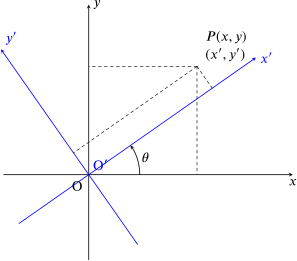
သားတို့သမီးတို့၊ ဆရာတို့ အရင်အပိုင်းတွေတုန်းက ဝင်ရိုး (Axes) တွေကို ရေပြင်ညီနဲ့ ဒေါင်လိုက် ရွှေ့ပြောင်းတဲ့ Translation of Axes အကြောင်းကို လေ့လာခဲ့ပြီးပြီနော်။ အခုတစ်ခါ ဆက်လေ့လာမယ့်အပိုင်းကတော့ Origin $\displaystyle O(0, 0)$ ကို မူလနေရာမှာပဲ အသေထားပြီး $\displaystyle x$-axis နဲ့ $\displaystyle y$-axis တို့ကို ထောင့် $\displaystyle \theta$ အတိုင်း လှည့်လိုက်တဲ့ Rotation of Axes အကြောင်းပဲ ဖြစ်ပါတယ်။
ဒီလိုမျိုး ဝင်ရိုးတွေကို $\displaystyle \theta$ ထောင့်တစ်ခုအတိုင်း လှည့်လိုက်တဲ့အခါ မူလဝင်ရိုး $\displaystyle x$ နဲ့ $\displaystyle y$ တို့ဟာ နေရာအသစ်ကို ရောက်သွားပြီး ၎င်းတို့ကို $\displaystyle x^{\prime}$ နဲ့ $\displaystyle y^{\prime}$ ဝင်ရိုးအသစ်များ အဖြစ် သတ်မှတ်ပါမယ်။
Rotation of Axes
Coordinates of Point $\displaystyle P$
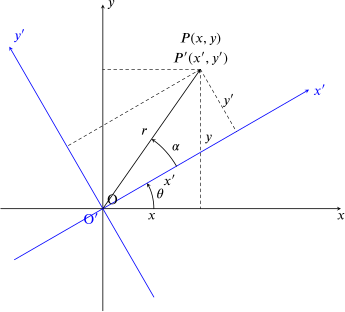
ဒီနေရာမှာ ပြင်ညီ (Plane) ပေါ်မှာရှိတဲ့ အမှတ် $\displaystyle P$ ဟာ $\displaystyle xy$-plane နဲ့ စပ်လျဉ်းရင် Coordinates $\displaystyle (x, y)$ ရှိပြီး၊ ဝင်ရိုးအသစ် $\displaystyle x^{\prime}y^{\prime}$-plane နဲ့ စပ်လျဉ်းရင်တော့ Coordinates $\displaystyle (x^{\prime}, y^{\prime})$ အဖြစ် ရှိနေမှာ ဖြစ်ပါတယ်။
ဆရာတို့အနေနဲ့ $\displaystyle x$ နဲ့ $\displaystyle y$ တန်ဖိုးတွေကို $\displaystyle x^{\prime}$, $\displaystyle y^{\prime}$ နဲ့ ထောင့် $\displaystyle \theta$ တို့ကို အသုံးပြုပြီး ဖော်ပြလို့ ရပါတယ်။
အပေါ်က ပုံမှာပြထားတဲ့အတိုင်း $\displaystyle r$ ဆိုတာက Origin $\displaystyle O$ ကနေ အမှတ် $\displaystyle P$ အထိ အကွာအဝေးဖြစ်ပြီး၊ $\displaystyle \alpha$ ဆိုတာက အပေါင်းလက္ခဏာဆောင်တဲ့ $\displaystyle x^{\prime}$-axis နဲ့ မျဉ်းပိုင်း $\displaystyle OP$ ကြားမှာရှိတဲ့ ထောင့် ဖြစ်ပါတယ်။
Trigonometry ရဲ့ Sine နဲ့ Cosine အဓိပ္ပါယ်ဖွင့်ဆိုချက်တွေအရ ဆရာတို့ အောက်ပါ ညီမျှခြင်းတွေကို ရရှိနိုင်ပါတယ်။
Compound Angle Formulas တွေကို သုံးပြီး $\displaystyle x$ ကို ဖြန့်ရေးကြည့်ရအောင် -
အလားတူပဲ $\displaystyle y$ ကို ဖြန့်ရေးကြည့်တဲ့အခါ -
အခုဆိုရင် $\displaystyle (x, y)$ နဲ့ $\displaystyle (x^{\prime}, y^{\prime})$ ဆက်စပ်နေတဲ့ အောက်ပါ သီအိုရမ်ကို ဆရာတို့ ရရှိပါပြီ။
19.1 Rotation Theorem
အကယ်၍ $\displaystyle x$ နှင့် $\displaystyle y$ ဝင်ရိုးများကို Origin တွင် အသေထား၍ ထောင့် $\displaystyle \theta$ အတိုင်း လှည့်လိုက်ပါက၊ မူလ $\displaystyle xy$-plane ပေါ်ရှိ အမှတ် $\displaystyle P$ ၏ Coordinates $\displaystyle (x, y)$ နှင့်၊ ဝင်ရိုးအသစ် $\displaystyle x^{\prime}y^{\prime}$-plane ပေါ်ရှိ ထိုတူညီသောအမှတ်၏ Coordinates $\displaystyle (x^{\prime}, y^{\prime})$ တို့သည် အောက်ပါ ပုံသေနည်းဖြင့် အမြဲတမ်း ဆက်စပ်နေပါတယ်။
Proof
ဆရာတို့ အပေါ်မှာ တွက်ထုတ်ခဲ့တဲ့ ညီမျှခြင်းတွေကို အရင်ဆုံး ပြန်ရေးပါမယ်။
ညီမျှခြင်း (1) ကို $\displaystyle \sin \theta$ ဖြင့် လည်းကောင်း၊ ညီမျှခြင်း (2) ကို $\displaystyle \cos \theta$ ဖြင့် လည်းကောင်း မြှောက်လိုက်ပါက -
ညီမျှခြင်း (4) ထဲမှ ညီမျှခြင်း (3) ကို နှုတ်လိုက်သောအခါ (Solving equations 1 and 2 for $\displaystyle y^{\prime}$ ) -
ထပ်မံ၍ ညီမျှခြင်း (1) ကို $\displaystyle \cos \theta$ ဖြင့် လည်းကောင်း၊ ညီမျှခြင်း (2) ကို $\displaystyle \sin \theta$ ဖြင့် လည်းကောင်း မြှောက်လိုက်ပါက -
၎င်းညီမျှခြင်းနှစ်ခုကို ပေါင်းလိုက်သောအခါ -
ထို့ကြောင့် $\displaystyle (x^{\prime}, y^{\prime})$ အတွက် လိုအပ်သော ပုံသေနည်းများကို တိတိကျကျ သက်သေပြနိုင်ပြီ ဖြစ်ပါတယ်။
19.2 Eliminating the $\displaystyle xy$-Term
conic၏ အထွေထွေညီမျှခြင်းမှာ $\displaystyle Ax^{2} + Bxy + Cy^{2} + Dx + Ey + F = 0$ ( $\displaystyle B \ne 0$ ) ဖြစ်ပါတယ်။
အဆိုပါ ညီမျှခြင်းထဲသို့ ဆရာတို့ အပေါ်က သက်သေပြခဲ့တဲ့ $\displaystyle x$ နှင့် $\displaystyle y$ တန်ဖိုးများကို အစားထိုးပါမယ် -
အစားထိုး ဖြန့်ကျက်ပြီးနောက် ညီမျှခြင်းအသစ် တစ်ခုကို အောက်ပါအတိုင်း ရရှိလာပါမယ် -
ဤနေရာတွင် Coefficient အသစ်များ၏ တန်ဖိုးများမှာ -
$\displaystyle x^{\prime}y^{\prime}$ ကိန်းလုံး လုံးဝပျောက်သွားစေရန်အတွက် $\displaystyle B^{\prime} = 0$ ဖြစ်ရပါမယ်။
မှတ်သားထားရမှာက -
၁။ အကယ်၍ $\displaystyle A = C$ ဖြစ်၍ $\displaystyle \cot 2\theta = 0$ ဖြစ်ပါက၊ $\displaystyle 2\theta = 90^{\circ}$ ဖြစ်ပြီး $\displaystyle \theta = 45^{\circ}$ ကို အသုံးပြုရပါမယ်။
၂။ အကယ်၍ $\displaystyle \cot 2\theta \ne 0$ ဖြစ်ပါက၊ မှန်ကန်သော ထောင့်ကျဉ်း (acute angle) $\displaystyle \theta$ ကို ရရှိရန် $\displaystyle \cos 2\theta$ ကို တြီဂိုနိုမေထရီ ဆက်စပ်မှုများမှတစ်ဆင့် ဦးစွာ ရှာဖွေရပါမယ်။
19.3 Rotation Invariants
ကိုဩဒိနိတ်ဝင်ရိုးများကို ထောင့် $\displaystyle \theta$ အတိုင်း လှည့်လိုက်သောအခါ ညီမျှခြင်း ပုံစံပြောင်းသွားသော်လည်း အောက်ပါ တန်ဖိုး ၃ ခုသည် လုံးဝ ပြောင်းလဲခြင်း မရှိပါ (Invariant ဖြစ်သည်) ကို သင်္ချာနည်းအရ သက်သေပြနိုင်ပါတယ်။
အကယ်၍ ဆရာတို့က $\displaystyle B^{\prime} = 0$ ဖြစ်အောင် လှည့်လိုက်မယ်ဆိုရင် တတိယဂုဏ်သတ္တိအရ $\displaystyle B^{2} - 4AC = -4A^{\prime}C^{\prime}$ ဖြစ်သွားပါမယ်။ ဒီအချက်ကို သုံးပြီး မူလညီမျှခြင်းကို ကြည့်ရုံနဲ့ ဝင်ရိုးလှည့်ပြီးရင် ဘယ်လို conic အမျိုးအစား ထွက်လာမလဲ ဆိုတာကို ကြိုတင်ခန့်မှန်းနိုင်ပါတယ်။ (ဥပမာ- $\displaystyle B^{2}-4AC = 0$ ဆိုလျှင် Parabola ဖြစ်ပါမည်)။
20. Worked Examples
ကဲ... ဆရာတို့ အခု သင်ယူခဲ့တဲ့ ဝင်ရိုးလှည့်ခြင်း (Rotation of Axes) သဘောတရားတွေကို အသုံးပြုပြီး Parabola ပုစ္ဆာတွေကို သီးသန့် တွက်ချက်ကြည့်ကြရအောင်။
Example 1
အောက်ပါ conicညီမျှခြင်းမှ $\displaystyle xy$ ကိန်းလုံးကို ဖယ်ရှားရန် ဝင်ရိုးများကို လှည့်ပါ။ ဝင်ရိုးအသစ်များဖြင့် ၎င်း၏ Standard Equation ကို ရှာပြီး ဂရပ်ကို ပုံကြမ်းဆွဲပါ။
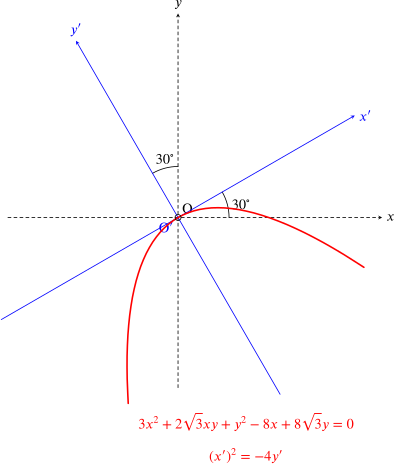
ပေးထားသော ညီမျှခြင်းမှ $\displaystyle A = 3$, $\displaystyle B = 2\sqrt{3}$, $\displaystyle C = 1$, $\displaystyle D = -8$, $\displaystyle E = 8\sqrt{3}$ ဖြစ်ပါတယ်။
$\displaystyle B^{2} - 4AC = (2\sqrt{3})^{2} - 4(3)(1) = 12 - 12 = 0$ ဖြစ်သောကြောင့် ဤ Conic သည် Parabola (ပါရာဘိုလာ) တစ်ခု ဖြစ်ပါတယ်။
ထောင့် $\displaystyle \theta$ ကို ရှာရန် -
$\displaystyle \cot 2\theta = \frac{1}{\sqrt{3}}$ ဖြစ်သောကြောင့် $\displaystyle 2\theta = 60^{\circ} \implies \theta = 30^{\circ}$ ဖြစ်ပါတယ်။
ထို့ကြောင့် $\displaystyle \sin 30^{\circ} = \frac{1}{2}$ နှင့် $\displaystyle \cos 30^{\circ} = \frac{\sqrt{3}}{2}$ ဖြစ်ပါတယ်။
Invariant ဂုဏ်သတ္တိများကို အသုံးပြု၍ Coefficient အသစ်များကို အလွယ်တကူ ရှာဖွေနိုင်ပါတယ် -
ဆက်လက်၍ $\displaystyle D^{\prime}$ နှင့် $\displaystyle E^{\prime}$ ကို ရှာပါမယ် -
ထို့ကြောင့် ညီမျှခြင်းအသစ်မှာ အောက်ပါအတိုင်း ဖြစ်လာပါတယ် -
ယင်းသည် ဝင်ရိုးအသစ် $\displaystyle x^{\prime}y^{\prime}$-plane တွင် အောက်ဘက်သို့ ပွင့်နေသော (Downward opening) Parabola ၏ Standard Equation ဖြစ်ပါတယ်။
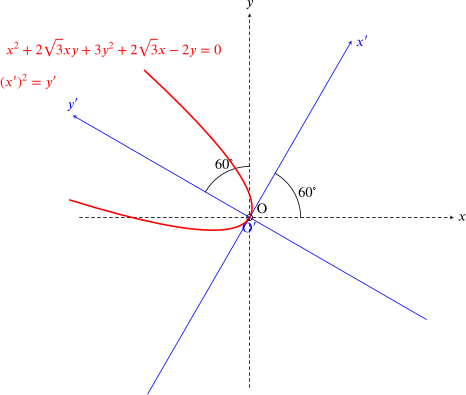
Example 2
အောက်ပါ conicညီမျှခြင်းမှ $\displaystyle xy$ ကိန်းလုံးကို ဖယ်ရှားရန် ဝင်ရိုးများကို လှည့်ပါ။ ဝင်ရိုးအသစ်များဖြင့် ၎င်း၏ Standard Equation ကို ရှာပြီး ဂရပ်ကို ပုံကြမ်းဆွဲပါ။
ပေးထားသော ညီမျှခြင်းမှ $\displaystyle A = 1$, $\displaystyle B = 2\sqrt{3}$, $\displaystyle C = 3$, $\displaystyle D = 2\sqrt{3}$, $\displaystyle E = -2$ ဖြစ်ပါတယ်။
$\displaystyle B^{2} - 4AC = (2\sqrt{3})^{2} - 4(1)(3) = 12 - 12 = 0$ ဖြစ်သောကြောင့် ဤ Conic သည် Parabola တစ်ခု ဖြစ်ပါတယ်။
ထောင့် $\displaystyle \theta$ ကို ရှာရန် -
$\displaystyle \cot 2\theta = -\frac{1}{\sqrt{3}}$ ဖြစ်သောကြောင့် $\displaystyle 2\theta = 120^{\circ} \implies \theta = 60^{\circ}$ ဖြစ်ပါတယ်။
ထို့ကြောင့် $\displaystyle \sin 60^{\circ} = \frac{\sqrt{3}}{2}$ နှင့် $\displaystyle \cos 60^{\circ} = \frac{1}{2}$ ဖြစ်ပါတယ်။
Invariant ဂုဏ်သတ္တိများကို အသုံးပြု၍ Coefficient အသစ်များကို ရှာပါမယ် -
$\displaystyle D^{\prime}$ နှင့် $\displaystyle E^{\prime}$ ကို ရှာပါမယ် -
ထို့ကြောင့် ညီမျှခြင်းအသစ်မှာ အောက်ပါအတိုင်း ဖြစ်လာပါတယ် -
ယင်းသည် ဝင်ရိုးအသစ် $\displaystyle x^{\prime}y^{\prime}$-plane တွင် အထက်သို့ ပွင့်နေသော (Upward opening) Parabola ၏ Standard Equation ဖြစ်ပါတယ်။
Example 3
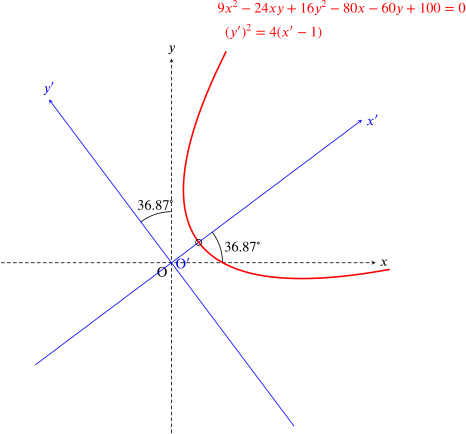
အောက်ပါ conicညီမျှခြင်းမှ $\displaystyle xy$ ကိန်းလုံးကို ဖယ်ရှားရန် ဝင်ရိုးများကို လှည့်ပါ။ ဝင်ရိုးအသစ်များဖြင့် ၎င်း၏ Standard Equation ကို ရှာပြီး ဂရပ်ကို ပုံကြမ်းဆွဲပါ။
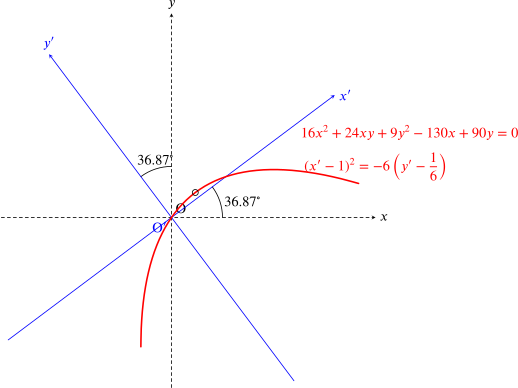
ပေးထားသော ညီမျှခြင်းမှ $\displaystyle A = 9$, $\displaystyle B = -24$, $\displaystyle C = 16$, $\displaystyle D = -80$, $\displaystyle E = -60$ ဖြစ်ပါတယ်။
$\displaystyle B^{2} - 4AC = (-24)^{2} - 4(9)(16) = 576 - 576 = 0$ ဖြစ်သောကြောင့် ဤ Conic သည် Parabola တစ်ခု ဖြစ်ပါတယ်။
ထောင့် $\displaystyle \theta$ ကို ရှာရန် -
$\displaystyle \cot 2\theta = \frac{7}{24}$ ဖြစ်သောကြောင့် ညာထောင့်မှန်တြိဂံအရ $\displaystyle \cos 2\theta = \frac{7}{25}$ ဖြစ်ပါတယ်။
Half-angle formulas များကို အသုံးပြု၍ $\displaystyle \sin \theta$ နှင့် $\displaystyle \cos \theta$ ကို ရှာပါမယ် -
$\displaystyle \sin \theta = 3/5 \implies \theta \approx 36.87^{\circ}$ ဖြစ်ပါတယ်။
Coefficient အသစ်များကို ရှာပါမယ် -
$\displaystyle D^{\prime}$ နှင့် $\displaystyle E^{\prime}$ ကို ရှာပါမယ် -
ထို့ကြောင့် ညီမျှခြင်းအသစ်မှာ အောက်ပါအတိုင်း ဖြစ်လာပါတယ် -
ယင်းသည် ဝင်ရိုးအသစ် $\displaystyle x^{\prime}y^{\prime}$-plane တွင် Vertex $\displaystyle (1, 0)$ ၌ရှိပြီး ညာဘက်သို့ ပွင့်နေသော Parabola ၏ Standard Equation ဖြစ်ပါတယ်။
21. Practice Exercises
-
အောက်ပါ conicညီမျှခြင်းမှ $\displaystyle xy$ ကိန်းလုံးကို ဖယ်ရှားရန် ဝင်ရိုးများကို လှည့်ပါ။ မည်သည့် conicအမျိုးအစား ဖြစ်သည်ကို ဖော်ပြပြီး၊ ဝင်ရိုးအသစ်များဖြင့် ၎င်း၏ Standard Equation ကို ရှာပါ။
$$ x^{2} - 2xy + y^{2} - 20x - 20y + 100 = 0 $$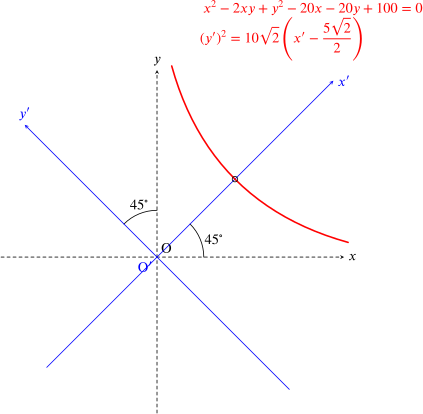
-
အောက်ပါ conicညီမျှခြင်းမှ $\displaystyle xy$ ကိန်းလုံးကို ဖယ်ရှားရန် ဝင်ရိုးများကို လှည့်ပါ။ ဝင်ရိုးအသစ်များဖြင့် ၎င်း၏ Standard Equation ကို ရှာပါ။
$$ 16x^{2} + 24xy + 9y^{2} - 130x + 90y = 0 $$