Chapter 4: Vector Algebra
Target Mathematics - A Comprehensive Guide to 3D Vectors, Lines, and Planes
ဤအခန်းတွင် 3D vectors များကို အသုံးပြု၍ angle များ၊ distance များ၊ area နှင့် volume များကို မည်သို့ရှာဖွေရမည်ကို သေချာစွာ သင်ယူရမည်ဖြစ်ပါသည်။ ထို့အပြင် straight line များနှင့် plane များ၏ equation များကိုပါ vector သဘောတရားဖြင့် အသေးစိတ် derive လုပ်၍ တွက်ချက်ရမည်ဖြစ်သောကြောင့် စနစ်တကျ လေ့လာမှတ်သားရန် တိုက်တွန်းအပ်ပါသည်။"
4.1 Vectors in Three Dimensions
plane တစ်ခုပေါ်တွင် point တစ်မှတ်၏ တည်နေရာကို $\displaystyle (x,y)$ ဟူသော ordered pair ဖြင့် ဖော်ပြလေ့ရှိပါသည်။ space ထဲတွင်မူ point တစ်မှတ်၏ တည်နေရာကို ပြသရန် $\displaystyle (x,y,z)$ ဟူသော ordered triple ကို အသုံးပြုရပါသည်။ ၎င်းကို ဖော်ပြရန်အတွက် fixed point တစ်ခုဖြစ်သော origin $\displaystyle O$ မှစတင်၍ အချင်းချင်း mutually perpendicular ဖြစ်နေသော မျဉ်း ၃ ကြောင်းဖြစ်သည့် x-axis, y-axis နှင့် z-axis တို့ကို ဆွဲသားရမည် ဖြစ်ပါသည်။
space ထဲရှိ point $\displaystyle P$ ကို $\displaystyle (x,y,z)$ ဖြင့် အောက်ပါပုံတွင် ပြသထားသည့်အတိုင်း သတ်မှတ်နိုင်ပါသည်။ ထို $\displaystyle x, y, z$ တန်ဖိုးများကို point $\displaystyle P$ ၏ coordinates များဟု ခေါ်ဆိုပါသည်။
Figure 4.1: 3D Coordinate System
Example 1
အောက်ပါ points များကို 3D ဝင်ရိုးပေါ်တွင် နေရာချပြပါ။ (Illustrate the points)
(a) $\displaystyle A(0,3,0)$ \quad (b) $\displaystyle B(4,0,2)$ \quad (c) $\displaystyle C(-1,2,2)$
ရှင်းလင်းချက် - point တစ်ခုကို နေရာချမည်ဆိုပါက $\displaystyle (x, y, z)$ အစီအစဉ်အတိုင်း သွားရမည်ဖြစ်သည်။ ဥပမာ $\displaystyle A(0,3,0)$ သည် x နှင့် z axes များတွင် ရွေ့လျားမှုမရှိဘဲ y-axis ပေါ်တွင်သာ ၃ ယူနစ် အကွာအဝေး၌ ရှိနေမည့် point ဖြစ်သည်။
Standard Unit Vectors in Three Dimensions
space အတွင်းရှိ vectors များကို ကိုယ်စားပြုဖော်ပြရန်အတွက် standard unit vectors များဖြစ်သော $\displaystyle \hat{\text{i}}$, $\displaystyle \hat{\text{j}}$ နှင့် $\displaystyle \hat{\text{k}}$ တို့ကို မိတ်ဆက်ပေးပါမည်။ ၎င်းတို့သည် magnitude ၁ ယူနစ်စီသာ ရှိကြပါသည်။
$\displaystyle \hat{\text{i}}$ သည် positive x-axis direction သို့ သွားသော unit vector ဖြစ်ပြီး၊ $\displaystyle \hat{\text{j}}$ သည် positive y-axis သို့လည်းကောင်း၊ $\displaystyle \hat{\text{k}}$ သည် positive z-axis သို့လည်းကောင်း သွားသော unit vectors များ ဖြစ်ကြပါသည်။
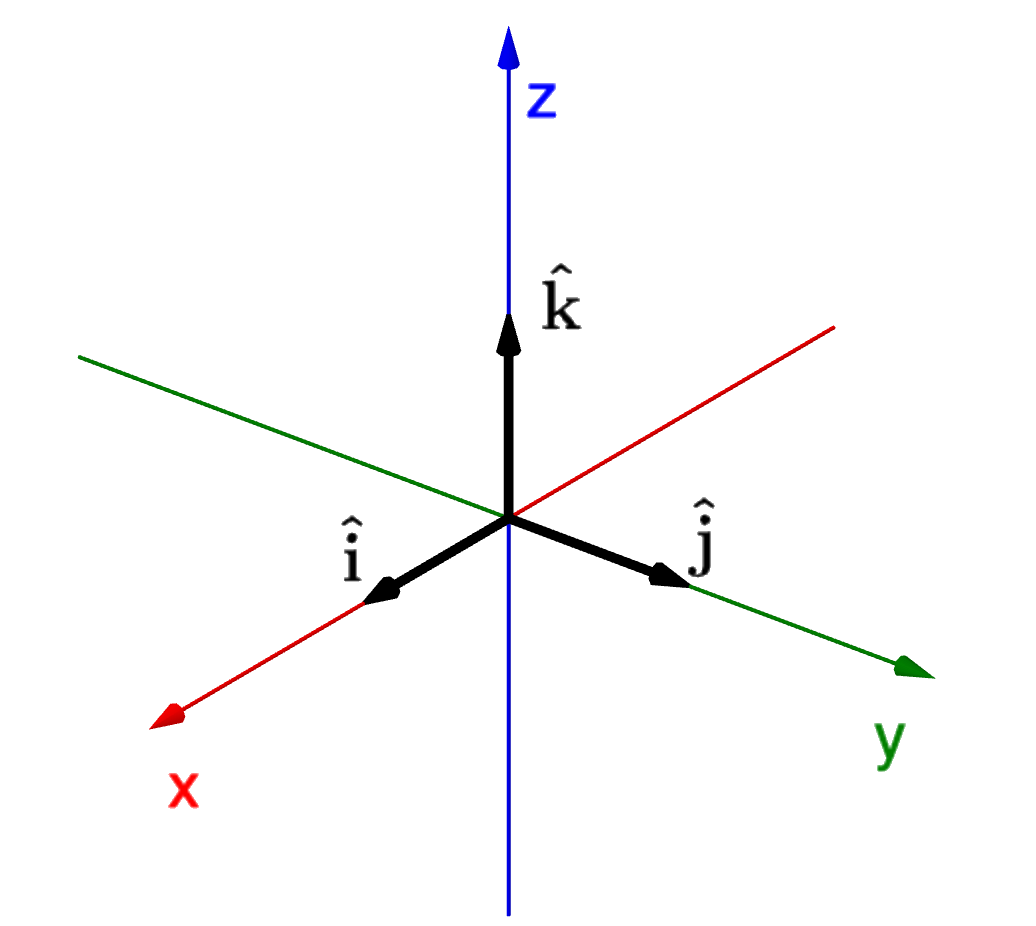
Figure 4.2: Standard Unit Vectors $\displaystyle \hat{i}, \hat{j}, \hat{k}$
Position Vectors in Three Dimensions
အကယ်၍ $\displaystyle \overrightarrow{OA}$ သည် origin $O$ မှ စတင်ပြီး point $\displaystyle A(2,3,4)$ တွင် ဆုံးသော vector ဖြစ်ပါက၊ $\displaystyle \overrightarrow{OA}$ အား $\displaystyle \hat{\text{i}}$, $\displaystyle \hat{\text{j}}$, $\displaystyle \hat{\text{k}}$ များဖြင့် အောက်ပါအတိုင်း ရေးသားနိုင်ပါသည်။
$\displaystyle \overrightarrow{OA} = 2\hat{\text{i}} + 3\hat{\text{j}} + 4\hat{\text{k}}$
2D တွင် ရေးသားသကဲ့သို့ပင် 3D တွင်လည်း column vector ပုံစံဖြင့် ရေးသားနိုင်ပါသည်။ ထိုကိန်းဂဏန်းများကို vector ၏ components များဟု ခေါ်ပါသည်။
Position Vector:
origin $\displaystyle O$ ကို initial point အဖြစ် သတ်မှတ်ထားသော vector ကို position vector ဟုခေါ်သည်။ ဥပမာ $P(a,b,c)$ ၏ position vector ကို အောက်ပါအတိုင်း သတ်မှတ်သည်။
Magnitude Formula Derivation
vector $\displaystyle \overrightarrow{OP} = \begin{pmatrix} a \\ b \\ c \end{pmatrix}$ ၏ magnitude အား 3D တွင် Pythagoras Theorem ကို နှစ်ကြိမ် ဆက်တိုက်အသုံးပြု၍ ရှာဖွေနိုင်ပါသည်။
x-y plane ပေါ်ရှိ အရိပ်ကျ point ကို $\displaystyle P'$ ဟုထားပါက ၎င်း၏ length မှာ $\displaystyle OP' = \sqrt{a^2+b^2}$ ဖြစ်သည်။ ထို့နောက် z-axis အမြင့် $\displaystyle c$ နှင့် $\displaystyle OP'$ ကို ထပ်မံ၍ Pythagoras Theorem အသုံးပြုပါက $\displaystyle OP = \sqrt{(OP')^2 + c^2} = \sqrt{a^2 + b^2 + c^2}$ ကို ရရှိမည်ဖြစ်သည်။
ယေဘုယျအားဖြင့် points နှစ်ခု $\displaystyle A(x_1,y_1,z_1)$ နှင့် $\displaystyle B(x_2,y_2,z_2)$ တို့အတွက် $\displaystyle \overrightarrow{AB}$ vector ကို ရှာလိုပါက အောက်ပါအတိုင်း နှုတ်ယူရပါမည်။ ($\displaystyle \overrightarrow{AB}$ ကို position vector of B relative to A ဟုလည်း ခေါ်ဆိုပါသည်။)
Example 2
P သည် $\displaystyle (-3,1,2)$ ဖြစ်ပြီး Q သည် $\displaystyle (1,-1,3)$ ဖြစ်လျှင် အောက်ပါတို့ကို ရှာပါ။
(a) point P ၏ position vector ကို တိုက်ရိုက်ရေးသားခြင်း ဖြစ်သည်။
(b) $\displaystyle \overrightarrow{PQ}$ ကို ရှာရန် နောက်အမှတ်မှ ရှေ့အမှတ်ကို နှုတ်ရပါမည်။
(c) Magnitude ရှာခြင်း။
(d) $\displaystyle \overrightarrow{QP}$ သည် $\displaystyle \overrightarrow{PQ}$ ၏ negative vector ဖြစ်သည်။
(e) Magnitude သည် direction အပေါ် မမှီခိုသောကြောင့် $\displaystyle |\overrightarrow{PQ}|$ နှင့် တူညီရပါမည်။
Algebraic Operations with Vectors
Negative Vector
vector $\displaystyle -\vec{a}$ သည် မူလ vector $\displaystyle \vec{a}$ နှင့် magnitude တူညီသော်လည်း direction လုံးဝ ဆန့်ကျင်ဘက် ဖြစ်နေသော vector ဖြစ်သည်။ Component ပုံစံဖြင့် ရေးသောအခါ $\displaystyle \vec{a}$ ၏ component အားလုံးကို sign reverse လုပ်ပေးရုံသာ ဖြစ်ပါသည်။
Figure 4.3: Negative Vector Relationship
ဥပမာအနေဖြင့် $\displaystyle \vec{a} = \begin{pmatrix} 11 \\ -6 \\ 5 \end{pmatrix}$ ဖြစ်ပါက၊ ၎င်း၏ negative vector မှာ-
Zero Vector
3D space တွင် zero vector $\displaystyle \vec{0}$ ၏ component အားလုံးသည် သုညသာ ဖြစ်ပါသည်။ ၎င်းတွင် တိကျသော direction မရှိပါ။
The Rules for Algebra with Vectors
2D တွင် အသုံးပြုခဲ့သော vector addition, subtraction စည်းမျဉ်းများကို 3D တွင်လည်း ထပ်တူအသုံးပြုနိုင်ပါသည်။ Components အလိုက် အသီးသီး ပေါင်း/နှုတ် ပေးရုံသာ ဖြစ်ပါသည်။
အကယ်၍ $\displaystyle \vec{a} = \begin{pmatrix} x_1 \\ y_1 \\ z_1 \end{pmatrix}$ နှင့် $\displaystyle \vec{b} = \begin{pmatrix} x_2 \\ y_2 \\ z_2 \end{pmatrix}$ ဖြစ်ပါက-
-
Addition:
$\displaystyle \vec{a} + \vec{b} = \begin{pmatrix} x_1 \\ y_1 \\ z_1 \end{pmatrix} + \begin{pmatrix} x_2 \\ y_2 \\ z_2 \end{pmatrix} = \begin{pmatrix} x_1+x_2 \\ y_1+y_2 \\ z_1+z_2 \end{pmatrix}$
-
Subtraction:
$\displaystyle \vec{a} - \vec{b} = \begin{pmatrix} x_1 \\ y_1 \\ z_1 \end{pmatrix} - \begin{pmatrix} x_2 \\ y_2 \\ z_2 \end{pmatrix} = \begin{pmatrix} x_1-x_2 \\ y_1-y_2 \\ z_1-z_2 \end{pmatrix}$
-
Scalar Multiplication:
$\displaystyle k\vec{a} = k\begin{pmatrix} x_1 \\ y_1 \\ z_1 \end{pmatrix} = \begin{pmatrix} k x_1 \\ k y_1 \\ k z_1 \end{pmatrix}$ \quad (k သည် မည်သည့် scalar မဆို ဖြစ်နိုင်သည်)
Example 3
အကယ်၍ $\displaystyle \vec{p} = \begin{pmatrix} 1 \\ -1 \\ 4 \end{pmatrix}$ နှင့် $\displaystyle \vec{q} = \begin{pmatrix} -2 \\ 0 \\ 2 \end{pmatrix}$ ဖြစ်လျှင် အောက်ပါတို့ကို ရှာပါ။
(a)
(b) $\displaystyle \vec{q}$ ၏ component များကို ၂ ဖြင့် ဦးစွာစားပြီးမှ နှုတ်ပါ။
(c) $\displaystyle \vec{q}$ အား $\displaystyle \frac{3}{2}$ ဖြင့် ဦးစွာမြှောက်ပါ။
Equal Vectors and Parallel Vectors
vector နှစ်ခု equal ဖြစ်သည် ဆိုသည်မှာ ၎င်းတို့၏ magnitude ရော direction ပါ နှစ်ခုစလုံး ထပ်တူညီနေရပါမည်။ ၎င်း vector များသည် အချင်းချင်း parallel ဖြစ်ပြီး length လည်း တူညီနေရမည် ဖြစ်ပါသည်။ (တနည်းအားဖြင့် space ထဲတွင် တစ်ခုကိုတစ်ခု translate လုပ်၍ ထပ်တူချ၍ ရရမည်ဖြစ်ပါသည်။)
အကယ်၍ $\displaystyle \vec{a} = \begin{pmatrix} x_1 \\ y_1 \\ z_1 \end{pmatrix}$ နှင့် $\displaystyle \vec{b} = \begin{pmatrix} x_2 \\ y_2 \\ z_2 \end{pmatrix}$ ဖြစ်ပါက-
Equal Vectors:
vector နှစ်ခု parallel ဖြစ်သည် ဆိုပါက magnitude တူရန် မလိုပါ။ တစ်ခုသည် အခြားတစ်ခု၏ scalar multiple ဖြစ်နေရုံဖြင့် လုံလောက်ပါသည်။
Parallel Vectors:
($\displaystyle k > 0$ ဆိုလျှင် direction တူညီပြီး၊ $\displaystyle k < 0$ ဆိုလျှင် opposite direction ဖြစ်ပါသည်။)
Example 4
$\displaystyle \vec{a} = \begin{pmatrix} -1 \\ -1 \\ u \end{pmatrix}$ သည် $\displaystyle \vec{b} = \begin{pmatrix} v \\ 2 \\ -2 \end{pmatrix}$ နှင့် parallel ဖြစ်သည်ဆိုပါက u နှင့် v တန်ဖိုးများကို ရှာပါ။
$\displaystyle \vec{a}$ နှင့် $\displaystyle \vec{b}$ တို့ parallel ဖြစ်သောကြောင့်၊ $\displaystyle \vec{a} = k\vec{b}$ ဖြစ်မည့် scalar $\displaystyle k$ တစ်ခု ရှိရပါမည်။ components အလိုက် ညီမျှခြင်းများ ချရေးပါမည်-
ရရှိလာသော $\displaystyle k$ တန်ဖိုးကို အသုံးပြု၍-
ညီမျှခြင်း (1) တွင် $\displaystyle k$ ကို အစားသွင်းပါ-
ထို့ကြောင့် $\displaystyle u = 1$ နှင့် $\displaystyle v = 2$ ဖြစ်ပါသည်။
Example 5
ABCD သည် parallelogram တစ်ခုဖြစ်သည်။ A သည် $\displaystyle (-1, 1, 1)$၊ B သည် $\displaystyle (2, 0, -2)$ နှင့် D သည် $\displaystyle (3, 1, 4)$ ဖြစ်လျှင် C ၏ coordinates များကို ရှာပါ။
C ၏ coordinates ကို $\displaystyle (x, y, z)$ ဟု ထားပါမည်။ ABCD သည် parallelogram ဖြစ်သောကြောင့် မျက်နှာချင်းဆိုင် အနားများဖြစ်သည့် AB နှင့် DC တို့သည် parallel လည်းဖြစ်သလို length လည်း တူညီပါသည်။ ထို့ကြောင့် $\displaystyle \overrightarrow{AB} = \overrightarrow{DC}$ ဟု ရေးနိုင်ပါသည်။
ထို့ကြောင့် point C သည် $\displaystyle (6, 0, 1)$ ဖြစ်ပါသည်။
Unit Vector
magnitude 1 ယူနစ် တိတိရှိသော vector များကို unit vector ဟုခေါ်ပါသည်။ သုညမဟုတ်သော vector $\displaystyle \vec{a}$ နှင့် direction တူညီသည့် unit vector ကို ရှာလိုပါက ၎င်း vector ကို ၎င်း၏ magnitude ဖြင့် ပြန်စားပေးရပါမည်။ ၎င်းကို $\displaystyle \hat{a}$ ဖြင့် သင်္ကေတပြုပါသည်။
Example 6
(a) $\displaystyle \vec{a} = \begin{pmatrix} 2 \\ -2 \\ 1 \end{pmatrix}$ နှင့် direction တူညီသော unit vector ကို ရှာပါ။
(b) $\displaystyle \vec{a}$ နှင့် parallel ဖြစ်ပြီး magnitude 5 ယူနစ် ရှိသော vectors များကို ရှာပါ။
(a) ပထမဦးစွာ vector ၏ magnitude ကို ရှာပါမည်။
(b) $\displaystyle \vec{b}$ သည် $\displaystyle \vec{a}$ နှင့် parallel ဖြစ်ပြီး $\displaystyle |\vec{b}| = 5$ ဖြစ်သည်။ parallel ဖြစ်သည်ဟုသာ ဆိုထားပြီး direction အတိအကျ မသတ်မှတ်ထားသဖြင့် same direction သို့မဟုတ် opposite direction နှစ်မျိုးစလုံး ဖြစ်နိုင်ပါသည်။ ထို့ကြောင့် unit vector ကို $\displaystyle \pm 5$ ဖြင့် မြှောက်ပေးရပါမည်။
Collinear Points
points ၃ မှတ် (သို့မဟုတ် ထို့ထက်ပိုသော အမှတ်များ) သည် မျဉ်းဖြောင့်တစ်ကြောင်းတည်းပေါ်တွင် ကျရောက်နေပါက ၎င်းတို့ကို collinear points ဟု ခေါ်ပါသည်။ A, B, C တို့သည် မျဉ်းဖြောင့်တည်းပေါ်တွင် ရှိမရှိ စစ်ဆေးရန် $\displaystyle \overrightarrow{AB}$ နှင့် $\displaystyle \overrightarrow{BC}$ ကဲ့သို့ vectors များ ရှာရပါမည်။ ထို့နောက် ၎င်း vector နှစ်ခုသည် parallel ဖြစ်ကြောင်း $\displaystyle \overrightarrow{AB} = k\overrightarrow{BC}$ ဟူ၍ ပြသနိုင်ပါက ထိုအမှတ် ၃ မှတ်သည် collinear ဖြစ်ပါသည်။ common point အဖြစ် (B) ပါဝင်နေခြင်းက ၎င်းတို့ မျဉ်းတစ်ကြောင်းတည်းပေါ်တွင် ရှိနေကြောင်း သေချာစေပါသည်။
Figure 4.4: Collinear Points A, B, and C
Example 7
$\displaystyle A(8,2,2)$, $\displaystyle C(20,5,5)$ နှင့် $\displaystyle B(12,3,3)$ တို့သည် collinear ဖြစ်ကြောင်း သက်သေပြပါ။
vector $\displaystyle \overrightarrow{AB}$ နှင့် $\displaystyle \overrightarrow{BC}$ တို့ကို ဦးစွာရှာပါမည်။
$\displaystyle \overrightarrow{BC}$ ၏ components များကို ကြည့်ပါက ၂ ဖြင့် ပုံထုတ်၍ ရနေသည်ကို တွေ့ရပါမည်။
ထို့ကြောင့် BC သည် AB နှင့် parallel ဖြစ်သည်။ ထို့အပြင် point B သည် vector နှစ်ခုလုံးတွင် common point ဖြစ်နေသောကြောင့်၊ A, B နှင့် C တို့သည် collinear ဖြစ်ကြသည်ဟု ကောက်ချက်ချနိုင်ပါသည်။
Practice Problems
- $\displaystyle \vec{a} = \begin{pmatrix} 5 \\ -2 \\ -4 \end{pmatrix}$, $\displaystyle \vec{b} = \begin{pmatrix} 3 \\ -6 \\ 1 \end{pmatrix}$ နှင့် $\displaystyle \vec{c} = \begin{pmatrix} 0 \\ 7 \\ -1 \end{pmatrix}$ ဖြစ်ပါက အောက်ပါ vectors များကို ရှာပါ။
(a) $\displaystyle 3\vec{a}$(b) $\displaystyle 4\vec{b}$(c) $\displaystyle \vec{a}-\vec{b}$(d) $\displaystyle \vec{b}+\vec{c}$(e) $\displaystyle 2\vec{b}+\vec{c}$(f) $\displaystyle \vec{a}-2\vec{b}$(g) $\displaystyle \vec{a}+\vec{b}-2\vec{c}$(h) $\displaystyle 3\vec{a}-\vec{b}+\vec{c}$
- $\displaystyle \vec{a} = \begin{pmatrix} 1 \\ 2 \\ 7 \end{pmatrix}$, $\displaystyle \vec{b} = \begin{pmatrix} -3 \\ 4 \\ 2 \end{pmatrix}$ နှင့် $\displaystyle \vec{c} = \begin{pmatrix} -2 \\ p \\ q \end{pmatrix}$ ကို ပေးထားသည်။
- $\displaystyle \vec{c}$ သည် $\displaystyle \vec{a}$ နှင့် parallel ဖြစ်ပါက p နှင့် q တန်ဖိုးများကို ရှာပါ။
- $\displaystyle \vec{a}+k\vec{b}$ သည် vector $\displaystyle \begin{pmatrix} 0 \\ 10 \\ 23 \end{pmatrix}$ နှင့် parallel ဖြစ်နေပါက scalar k တန်ဖိုးကို ရှာပါ။
- points A, B, C နှင့် D တို့၏ position vectors များမှာ အသီးသီး $\displaystyle \vec{a} = \begin{pmatrix} 3 \\ -1 \\ 1 \end{pmatrix}$, $\displaystyle \vec{b} = \begin{pmatrix} 5 \\ 0 \\ 3 \end{pmatrix}$, $\displaystyle \vec{c} = \begin{pmatrix} 7 \\ 8 \\ -3 \end{pmatrix}$ နှင့် $\displaystyle \vec{d} = \begin{pmatrix} 4 \\ 3 \\ -2 \end{pmatrix}$ ဖြစ်ကြသည်။ E သည် BC ၏ midpoint ဖြစ်သည်။
- E ၏ position vector ကို ရှာပါ။
- ABED သည် parallelogram ဖြစ်ကြောင်း သက်သေပြပါ။
- points A, B နှင့် C တို့၏ position vectors များမှာ $\displaystyle \vec{a} = \begin{pmatrix} 2 \\ -1 \\ 4 \end{pmatrix}$, $\displaystyle \vec{b} = \begin{pmatrix} 5 \\ 1 \\ 2 \end{pmatrix}$ နှင့် $\displaystyle \vec{c} = \begin{pmatrix} 3 \\ 1 \\ 4 \end{pmatrix}$ အသီးသီး ဖြစ်ကြသည်။ ABCD သည် parallelogram တစ်ခုဖြစ်ရန် point D ၏ position vector ကို ရှာပါ။
- $\displaystyle K(1,-1,0)$, $\displaystyle L(4,-3,7)$ နှင့် $\displaystyle M(a,2,b)$ တို့သည် collinear ဖြစ်ကြသည်။ a နှင့် b ကို ရှာပါ။
4.2 Angle between Two Vectors and Scalar Product
Caution: Dot vs Cross Product Confusion
Dot product ($\displaystyle \vec{a} \cdot \vec{b}$) ၏ ရလဒ်သည် scalar (ကိန်းဂဏန်း) သာဖြစ်ပြီး၊ Cross product ($\displaystyle \vec{a} \times \vec{b}$) ၏ ရလဒ်သည် vector ဖြစ်ပါသည်။ ၎င်းတို့နှစ်ခုကို ရောထွေး၍မရပါ။ Direction နှင့် သက်ဆိုင်သော ပြဿနာများ (ဥပမာ - normal vector ရှာခြင်း) တွင် Cross product ကို အသုံးပြုရပြီး၊ Angle သို့မဟုတ် Projection ရှာခြင်းများတွင် Dot product ကို အဓိက အသုံးပြုပါသည်။
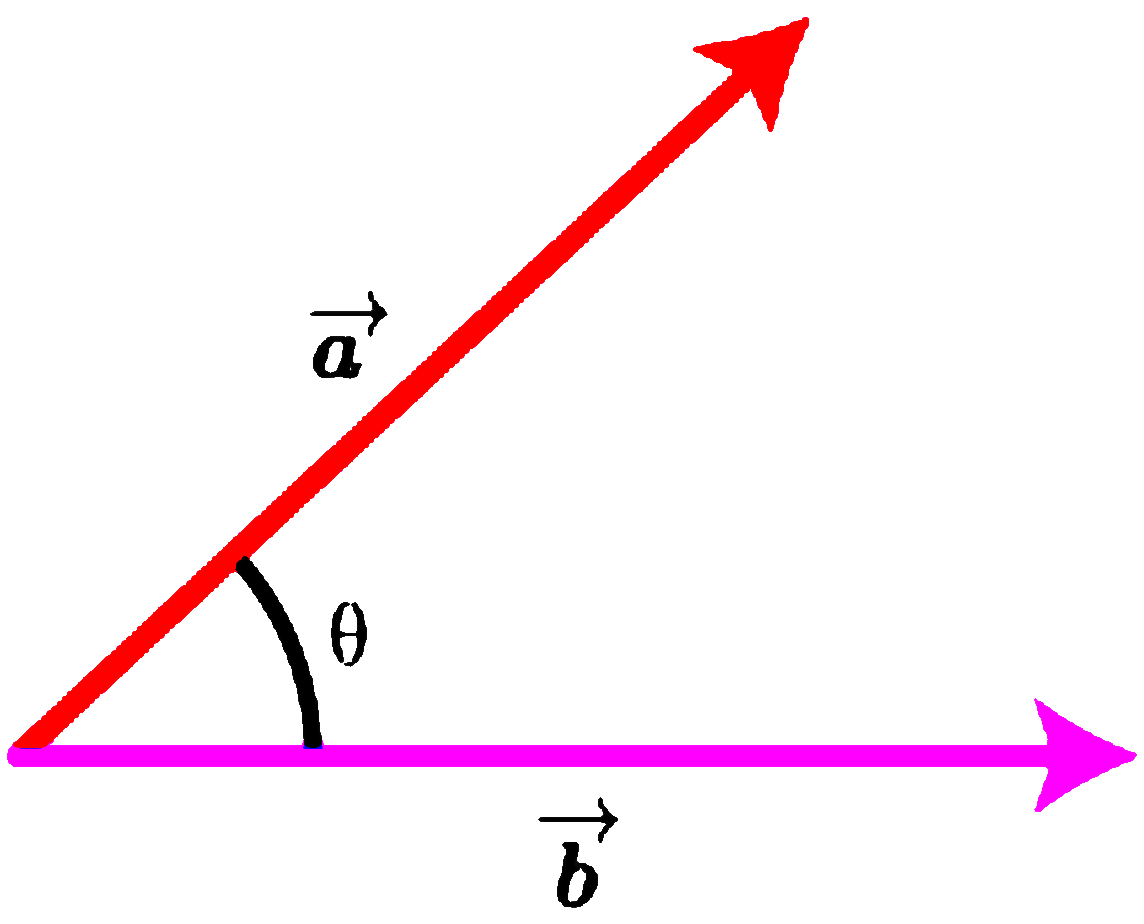
Angle between Two Vectors $\displaystyle \theta$
vector နှစ်ခု $\displaystyle \vec{a}$ နှင့် $\displaystyle \vec{b}$ ကြားရှိ angle $\displaystyle \theta$ ကို ရှာဖွေရာတွင် cosine rule ကို အသုံးပြု၍ တွက်ချက်နိုင်ပါသည်။ 2D တွင် အောက်ပါအတိုင်း ဖြစ်ပါသည်-
အထက်ပါ ညီမျှခြင်းရှိ numerator မှ $\displaystyle x_1x_2 + y_1y_2$ ကို $\displaystyle \vec{a} \cdot \vec{b}$ (a dot b) ဟု ရေးသားသတ်မှတ်ပါသည်။
Dot Product Formula Derivation using Law of Cosines
ဆရာတို့ $\displaystyle \triangle OAB$ တစ်ခုကို မြင်ယောင်ကြည့်ပါ။ $\displaystyle \overrightarrow{OA} = \vec{a}$, $\displaystyle \overrightarrow{OB} = \vec{b}$ ဖြစ်ပြီး $\displaystyle \overrightarrow{AB}$ သည် $\displaystyle \vec{b} - \vec{a}$ ဖြစ်ပါမည်။ 3D တွင် $\displaystyle \vec{a} = x_1\hat{\text{i}} + y_1\hat{\text{j}} + z_1\hat{\text{k}}$ နှင့် $\displaystyle \vec{b} = x_2\hat{\text{i}} + y_2\hat{\text{j}} + z_2\hat{\text{k}}$ ဟု ထားကြပါစို့။
Cosine Rule အရ $\displaystyle \triangle OAB$ တွင်:
coordinates များနှင့် distance formula အရ $\displaystyle |\overrightarrow{AB}|^2$ ကို ဖြန့်ရေးကြည့်ပါမည်-
အထက်ပါ ညီမျှခြင်းနှစ်ကြောင်းလုံးသည် $\displaystyle |\overrightarrow{AB}|^2$ ကို ကိုယ်စားပြုသောကြောင့် ၎င်းတို့ကို ညီမျှခြင်းချ (equate) နိုင်ပါသည်။
ဤညီမျှခြင်းအရ ညာဘက်ခြမ်းကို scalar product ($\displaystyle \vec{a} \cdot \vec{b}$) အဖြစ် သတ်မှတ်လိုက်ခြင်း ဖြစ်ပါသည်။
ထို့ကြောင့် 3D space အတွက် scalar product ကို အောက်ပါအတိုင်း သတ်မှတ်နိုင်ပါသည်။
Scalar Product (or) Dot Product:
(မှတ်ချက် - $\displaystyle \vec{a} \cdot \vec{b}$ ၏ ရလဒ်သည် direction မပါဝင်သော scalar သာ ထွက်လာမည် ဖြစ်သည်။ ထို့ကြောင့် scalar product ဟု ခေါ်ခြင်းဖြစ်သည်။)
angle $\displaystyle \theta$ ကို ရှာလိုပါက အောက်ပါ formula ကို အသုံးပြုနိုင်ပါသည်။
Example 8
vector နှစ်ခု $\displaystyle \begin{pmatrix} 3 \\ 4 \end{pmatrix}$ နှင့် $\displaystyle \begin{pmatrix} 5 \\ -12 \end{pmatrix}$ တို့ကြားရှိ angle ကို ရှာပါ။
$\displaystyle \vec{a} = \begin{pmatrix} 3 \\ 4 \end{pmatrix}$ နှင့် $\displaystyle \vec{b} = \begin{pmatrix} 5 \\ -12 \end{pmatrix}$ ဟု ထားပါမည်။ ပထမဦးစွာ magnitudes များနှင့် dot product ကို ရှာပါမည်။
formula အရ-
Example 9
points $\displaystyle P(1,0,-1)$, $\displaystyle Q(2,4,1)$ နှင့် $\displaystyle R(3,5,6)$ တို့ကို ပေးထားပါက $\displaystyle \angle QPR$ ကို ရှာပါ။
angle $\displaystyle QPR$ သည် point P တွင်ရှိသော angle ဖြစ်သောကြောင့်၊ ထို angle ကို ဝန်းရံထားသော vectors နှစ်ခုမှာ $\displaystyle \overrightarrow{PQ}$ နှင့် $\displaystyle \overrightarrow{PR}$ တို့ ဖြစ်ကြသည်။ $\displaystyle \theta = \angle QPR$ ဟုထား၍ တွက်ပါမည်။
Algebraic Properties of the Scalar Product
အကယ်၍ $\displaystyle \vec{a}$, $\displaystyle \vec{b}$ နှင့် $\displaystyle \vec{c}$ တို့သည် space ရှိ vectors များဖြစ်ပြီး k သည် scalar တစ်ခုဖြစ်ပါက၊ အောက်ပါ properties များ မှန်ကန်ပါသည်။
- $\displaystyle \vec{a} \cdot \vec{b} = \vec{b} \cdot \vec{a}$ (Commutative Law)
- $\displaystyle (-\vec{a}) \cdot \vec{b} = \vec{a} \cdot (-\vec{b}) = -(\vec{a} \cdot \vec{b})$
- $\displaystyle \vec{a} \cdot (\vec{b} + \vec{c}) = \vec{a} \cdot \vec{b} + \vec{a} \cdot \vec{c}$ (Distributive Law)
- $\displaystyle (k\vec{a}) \cdot \vec{b} = k(\vec{a} \cdot \vec{b}) = \vec{a} \cdot (k\vec{b})$
- $\displaystyle \vec{0} \cdot \vec{a} = 0$ (zero vector ဖြင့် မြှောက်ပါက သုညသာရမည်)
Geometric Properties of the Scalar Product
သုညမဟုတ်သော vectors $\displaystyle \vec{a}$ နှင့် $\displaystyle \vec{b}$ တို့အတွက်-
- အကယ်၍ $\displaystyle \vec{a}$ နှင့် $\displaystyle \vec{b}$ တို့သည် perpendicular ဖြစ်ပါက၊ angle $\displaystyle \theta = 90^\circ$ ဖြစ်သောကြောင့် $\displaystyle \cos 90^\circ = 0$ ဖြစ်သွားသည်။ ထို့ကြောင့် $\displaystyle \vec{a} \cdot \vec{b} = 0$ အမြဲတမ်း ဖြစ်သည်။ ဤအချက်သည် vectors နှစ်ခု perpendicular ဖြစ်မဖြစ် စစ်ဆေးရာတွင် အလွန်အရေးပါသည်။
- အကယ်၍ $\displaystyle \vec{a}$ နှင့် $\displaystyle \vec{b}$ တို့သည် parallel in same direction ဖြစ်ပါက၊ $\displaystyle \theta = 0^\circ$ ဖြစ်၍ $\displaystyle \cos 0^\circ = 1$ ဖြစ်သည်။ ထို့ကြောင့် $\displaystyle \vec{a} \cdot \vec{b} = |\vec{a}||\vec{b}|$ ဖြစ်သည်။ အထူးသဖြင့် $\displaystyle \vec{a}$ ကို $\displaystyle \vec{a}$ ကိုယ်တိုင်နှင့် ပြန်မြှောက်ပါက $\displaystyle \vec{a} \cdot \vec{a} = |\vec{a}|^2$ ဟု ရရှိသည်။
- အကယ်၍ $\displaystyle \vec{a}$ နှင့် $\displaystyle \vec{b}$ တို့သည် parallel in opposite direction ဖြစ်ပါက၊ $\displaystyle \theta = 180^\circ$ ဖြစ်၍ $\displaystyle \cos 180^\circ = -1$ ဖြစ်သည်။ ထို့ကြောင့် $\displaystyle \vec{a} \cdot \vec{b} = -|\vec{a}||\vec{b}|$ ဖြစ်သည်။
Example 10
$\displaystyle \vec{a}$ နှင့် $\displaystyle \vec{b}$ တို့သည် perpendicular vectors များ ဖြစ်ပြီး $\displaystyle |\vec{a}|=3$ နှင့် $\displaystyle |\vec{b}|=1$ ဟု ပေးထားလျှင် $\displaystyle (\vec{a}-\vec{b}) \cdot (\vec{a}+5\vec{b})$ ၏ တန်ဖိုးကို တွက်ပါ။
vectors များ perpendicular ဖြစ်သောကြောင့် dot product တန်ဖိုး သုညဖြစ်မည်ကို သတိပြုပါ။ $\displaystyle \vec{a} \cdot \vec{b} = \vec{b} \cdot \vec{a} = 0$။ ထို့အပြင် $\displaystyle \vec{a} \cdot \vec{a} = |\vec{a}|^2$ property ကိုပါ သုံးပါမည်။
ပေးထားသော magnitudes များကို substitute လုပ်သော်-
Example 11
A, B နှင့် C points များ၏ position vectors များမှာ $\displaystyle \vec{a} = k\begin{pmatrix} 2 \\ -1 \\ 1 \end{pmatrix}$, $\displaystyle \vec{b} = \begin{pmatrix} 3 \\ 2 \\ -2 \end{pmatrix}$ နှင့် $\displaystyle \vec{c} = \begin{pmatrix} 1 \\ 1 \\ 4 \end{pmatrix}$ အသီးသီး ဖြစ်ကြသည်။
- $\displaystyle \overrightarrow{BC}$ ကို ရှာပါ။
- $\displaystyle \overrightarrow{AB}$ ကို k ပါဝင်သော ပုံစံဖြင့် ရှာပါ။
- AB သည် BC နှင့် perpendicular ဖြစ်စေရန် k ၏ တန်ဖိုးကို ရှာပါ။
(a) $\displaystyle \overrightarrow{BC}$ ကို ရှာခြင်း
(b) $\displaystyle \overrightarrow{AB}$ ကို k ဖြင့် ရှာခြင်း (k ကို vector $\displaystyle \vec{a}$ တွင်းသို့ ဦးစွာသွင်းပါမည်)
(c) $\displaystyle \overrightarrow{AB}$ သည် $\displaystyle \overrightarrow{BC}$ နှင့် perpendicular ဖြစ်သဖြင့်၊ ၎င်းတို့၏ dot product သည် သုည ဖြစ်ရမည်။ ($\displaystyle \overrightarrow{AB} \cdot \overrightarrow{BC} = 0$)
Projection of a Vector
vector တစ်ခုကို အခြား vector တစ်ခုအပေါ်သို့ အရိပ်ကျစေခြင်း (Projection ချခြင်း) တွင် scalar projection နှင့် vector projection ဟူ၍ နှစ်မျိုး ရှိပါသည်။ ၎င်းတို့ကို dot product အသုံးပြု၍ လွယ်ကူစွာ တွက်ချက်နိုင်ပါသည်။
Vector $\displaystyle \vec{a}$ ကို vector $\displaystyle \vec{b}$ အပေါ်သို့ projection ချလျှင်-
Example 12
vector $\displaystyle \vec{a} = 2\hat{\text{i}} - \hat{\text{j}} + 3\hat{\text{k}}$ ၏ vector $\displaystyle \vec{b} = 4\hat{\text{i}} - \hat{\text{j}} + 2\hat{\text{k}}$ အပေါ်သို့ ကျရောက်သော scalar projection နှင့် vector projection တို့ကို ရှာပါ။
ဦးစွာ $\displaystyle \vec{a} \cdot \vec{b}$ နှင့် $\displaystyle |\vec{b}|$ တို့ကို ရှာပါမည်။
Scalar Projection:
Vector Projection:
Practice Problems
- $\displaystyle \vec{p} = \begin{pmatrix} 3 \\ 2 \end{pmatrix}$, $\displaystyle \vec{q} = \begin{pmatrix} -1 \\ 5 \end{pmatrix}$ နှင့် $\displaystyle \vec{r} = \begin{pmatrix} -2 \\ 4 \end{pmatrix}$ တို့အတွက် အောက်ပါတို့ကို ရှာပါ။
(a) $\displaystyle \vec{q} \cdot \vec{p}$(b) $\displaystyle \vec{q} \cdot \vec{r}$(c) $\displaystyle \vec{q} \cdot (\vec{p} + \vec{r})$(d) $\displaystyle \hat{\text{i}} \cdot \vec{p}$(e) $\displaystyle \vec{q} \cdot \hat{\text{j}}$(f) $\displaystyle \hat{\text{i}} \cdot \hat{\text{i}}$
- $\displaystyle \vec{a} = \begin{pmatrix} 2 \\ 1 \\ 3 \end{pmatrix}$, $\displaystyle \vec{b} = \begin{pmatrix} -1 \\ 1 \\ 1 \end{pmatrix}$ နှင့် $\displaystyle \vec{c} = \begin{pmatrix} 0 \\ -1 \\ 1 \end{pmatrix}$ ဖြစ်ပါက အောက်ပါတို့ကို တွက်ပါ။
(a) $\displaystyle \vec{a} \cdot \vec{b}$(b) $\displaystyle \vec{b} \cdot \vec{a}$(c) $\displaystyle |\vec{a}|^2$(d) $\displaystyle \vec{a} \cdot \vec{a}$(e) $\displaystyle \vec{a} \cdot (\vec{b} + \vec{c})$(f) $\displaystyle \vec{a} \cdot \vec{b} + \vec{a} \cdot \vec{c}$
- အောက်ပါ အခြေအနေများတွင် $\displaystyle \vec{m}$ နှင့် $\displaystyle \vec{n}$ ကြားရှိ angle ကို ရှာပါ။
- $\displaystyle \vec{m} = \begin{pmatrix} 2 \\ -1 \\ -1 \end{pmatrix}$, နှင့် $\displaystyle \vec{n} = \begin{pmatrix} -1 \\ 3 \\ 2 \end{pmatrix}$
- $\displaystyle \vec{m} = 2\hat{\text{j}} - \hat{\text{k}}$ နှင့် $\displaystyle \vec{n} = \hat{\text{i}} + 2\hat{\text{k}}$
- ပေးထားသော vectors စုံတွဲများသည် (i) perpendicular (ii) parallel ဖြစ်မည့် t ၏ တန်ဖိုးများကို ရှာပါ။
(a) $\displaystyle \vec{p} = \begin{pmatrix} 3 \\ t \end{pmatrix}$ နှင့် $\displaystyle \vec{q} = \begin{pmatrix} -2 \\ 1 \end{pmatrix}$(b) $\displaystyle \vec{a} = \begin{pmatrix} 0 \\ t+2 \end{pmatrix}$ နှင့် $\displaystyle \vec{b} = \begin{pmatrix} 2-3t \\ t \end{pmatrix}$(c) $\displaystyle \vec{r} = \begin{pmatrix} t \\ t+2 \end{pmatrix}$ နှင့် $\displaystyle \vec{s} = \begin{pmatrix} t \\ -4 \end{pmatrix}$
- $\displaystyle \begin{pmatrix} 3 \\ t \\ -2 \end{pmatrix}$ သည် $\displaystyle \begin{pmatrix} 1-t \\ -3 \\ 4 \end{pmatrix}$ နှင့် perpendicular ဖြစ်ပါက t ကို ရှာပါ။
- $\displaystyle \vec{u} = \hat{\text{i}} + 2\hat{\text{j}} - \hat{\text{k}}$ ၏ $\displaystyle \vec{v} = 2\hat{\text{i}} - \hat{\text{j}} + 2\hat{\text{k}}$ အပေါ်သို့ ကျရောက်သော scalar projection နှင့် vector projection ကို ရှာပါ။
- ABCD သည် AB နှင့် DC parallel ဖြစ်သော parallelogram တစ်ခုဖြစ်သည်။ $\displaystyle \overrightarrow{AB} = \vec{a}$ နှင့် $\displaystyle \overrightarrow{AD} = \vec{b}$ ဟု ထားပါစို့။
- diagonals များဖြစ်သော $\displaystyle \overrightarrow{AC}$ နှင့် $\displaystyle \overrightarrow{BD}$ တို့ကို $\displaystyle \vec{a}$ နှင့် $\displaystyle \vec{b}$ တို့ဖြင့် ဖော်ပြပါ။
- $\displaystyle (\vec{a} + \vec{b}) \cdot (\vec{b} - \vec{a})$ ကို ရှင်းပါ။
- အကယ်၍ ABCD သည် rhombus ဖြစ်ပါက ၎င်း၏ diagonals များသည် perpendicular ဖြစ်ကြောင်း အထက်ပါအဖြေကို သုံး၍ သက်သေပြပါ။
4.3 Area of a Parallelogram and Vector Product
Vector Product (or) Cross Product
အထက်ပါအပိုင်းတွင် dot product ($\displaystyle \cdot$) ဟုခေါ်သော scalar product ကို လေ့လာခဲ့ပါသည်။ ၎င်း၏ရလဒ်သည် ကိန်းဂဏန်း (scalar) သာ ထွက်ပါသည်။ ယခုလေ့လာမည့် vector product သို့မဟုတ် cross product ($\displaystyle \times$) ၏ ရလဒ်သည် vector အဖြစ် ပြန်ထွက်လာမည် ဖြစ်ပါသည်။ အရေးကြီးသည့်အချက်မှာ vector product ကို 3D vectors များအတွက်သာ အဓိပ္ပါယ်ဖွင့်ဆို သုံးစွဲနိုင်ပါသည်။
အကယ်၍ $\displaystyle \vec{a} = \begin{pmatrix} x_1 \\ y_1 \\ z_1 \end{pmatrix}$ နှင့် $\displaystyle \vec{b} = \begin{pmatrix} x_2 \\ y_2 \\ z_2 \end{pmatrix}$ ဖြစ်ပါက၊ ၎င်းတို့၏ cross product ကို အောက်ပါအတိုင်း တွက်ချက်ရပါမည်-
Caution: Right-Hand Rule
Cross product $\displaystyle \vec{a} \times \vec{b}$ ၏ direction ကို Right-Hand Rule ဖြင့် သတ်မှတ်ပါသည်။ ညာဘက်လက်၏ လက်ချောင်းများကို $\displaystyle \vec{a}$ မှ $\displaystyle \vec{b}$ သို့ ကွေးလိုက်သောအခါ လက်မ၏ ဦးတည်ရာသည် $\displaystyle \vec{a} \times \vec{b}$ ၏ direction ဖြစ်ပါသည်။ ထို့ကြောင့် ရှေ့နောက်ပြောင်းမြှောက်ပါက direction ဆန့်ကျင်ဘက်ဖြစ်သွားပြီး $\displaystyle \vec{a} \times \vec{b} = -(\vec{b} \times \vec{a})$ ဟု မှတ်သားထားရပါမည်။
Cross Product Shortcut
formula ကို အလွတ်ကျက်မည့်အစား အောက်ပါနည်းလမ်းလေးကို အသုံးပြုနိုင်ပါသည်။
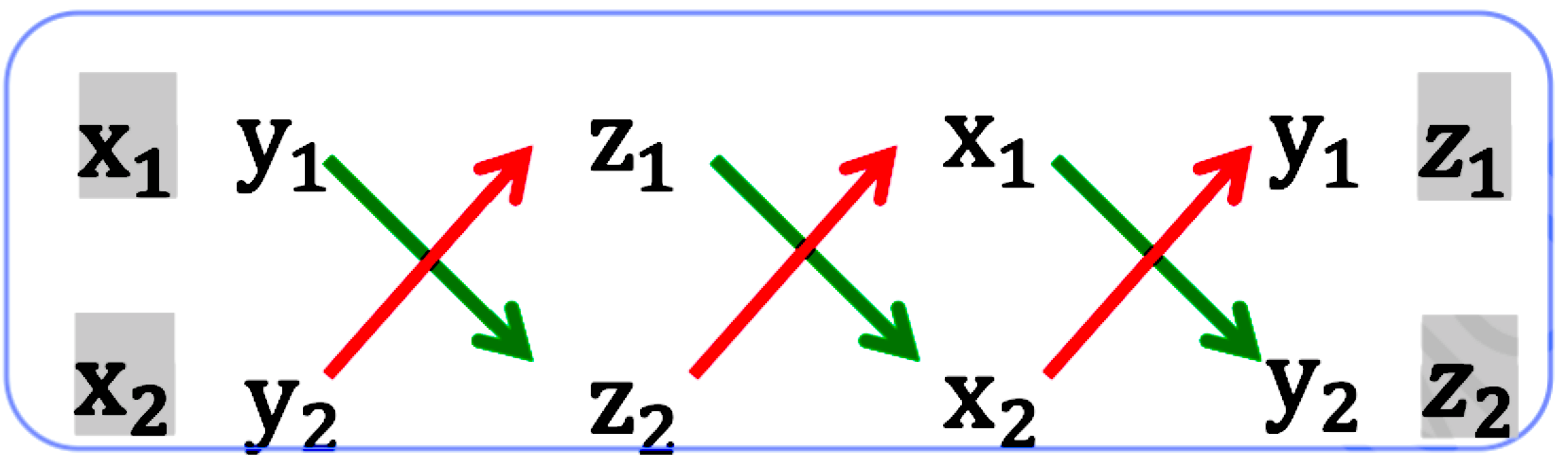
Down Product $-$ Up Product
Orthogonality of Cross Product
အလွန်အရေးကြီးသော property တစ်ခုမှာ $\displaystyle \vec{a} \times \vec{b}$ သည် မူလ vector $\displaystyle \vec{a}$ ရော $\displaystyle \vec{b}$ နှင့်ပါ perpendicular ဖြစ်နေခြင်းပင် ဖြစ်ပါသည်။ ယင်းအချက် မှန်မမှန်ကို dot product ဖြင့် စစ်ဆေးကြည့်ပါမည်။
အကယ်၍ perpendicular ဖြစ်ပါက dot product သုညရရပါမည်။ $\displaystyle (\vec{a} \times \vec{b}) \cdot \vec{a}$ ကို ရှာကြည့်ကြပါစို့-
တူရာများကို ချေလိုက်ပါက-
သုည ရရှိသောကြောင့် $\displaystyle (\vec{a} \times \vec{b})$ သည် $\displaystyle \vec{a}$ နှင့် perpendicular ဖြစ်ကြောင်း သေချာသွားပါသည်။ အလားတူပင် ၎င်းသည် $\displaystyle \vec{b}$ နှင့်လည်း perpendicular ဖြစ်ပါသည်။
Area of a Parallelogram
plane ပေါ်ရှိ OACB ဆိုသော parallelogram ကို စဉ်းစားကြည့်ပါ။ ၎င်း၏ adjacent sides နှစ်ခုကို $\displaystyle \overrightarrow{OA} = \vec{a}$ နှင့် $\displaystyle \overrightarrow{OB} = \vec{b}$ ဟု သတ်မှတ်ပါက ၎င်းတို့ကြားရှိ angle ကို $\displaystyle \theta$ ဟုထားမည်။ parallelogram ၏ ဧရိယာ formula မှာ $\displaystyle \text{base} \times \text{height}$ ဖြစ်ပါသည်။
base သည် $\displaystyle |\vec{a}|$ ဖြစ်ပြီး၊ height သည် triangle ၏ sine ratio အရ $\displaystyle |\vec{b}|\sin\theta$ ဖြစ်သည်။ ထို့ကြောင့်-
Area of OACB = $\displaystyle |\vec{a}|(|\vec{b}|\sin \theta)$
စိတ်ဝင်စားစရာကောင်းသည်မှာ ဤတန်ဖိုး $\displaystyle |\vec{a}||\vec{b}|\sin\theta$ သည် $\displaystyle \vec{a} \times \vec{b}$ ၏ magnitude နှင့် တူညီနေခြင်းပင် ဖြစ်ပါသည်။ ထို့ကြောင့် parallelogram ၏ ဧရိယာကို cross product ၏ magnitude ဖြင့် လွယ်ကူစွာ ရှာနိုင်ပါသည်။
ဆက်စပ်၍၊ $\displaystyle \triangle OAB$ ၏ ဧရိယာသည် parallelogram ဧရိယာ၏ တစ်ဝက်တိတိ ဖြစ်သောကြောင့်-
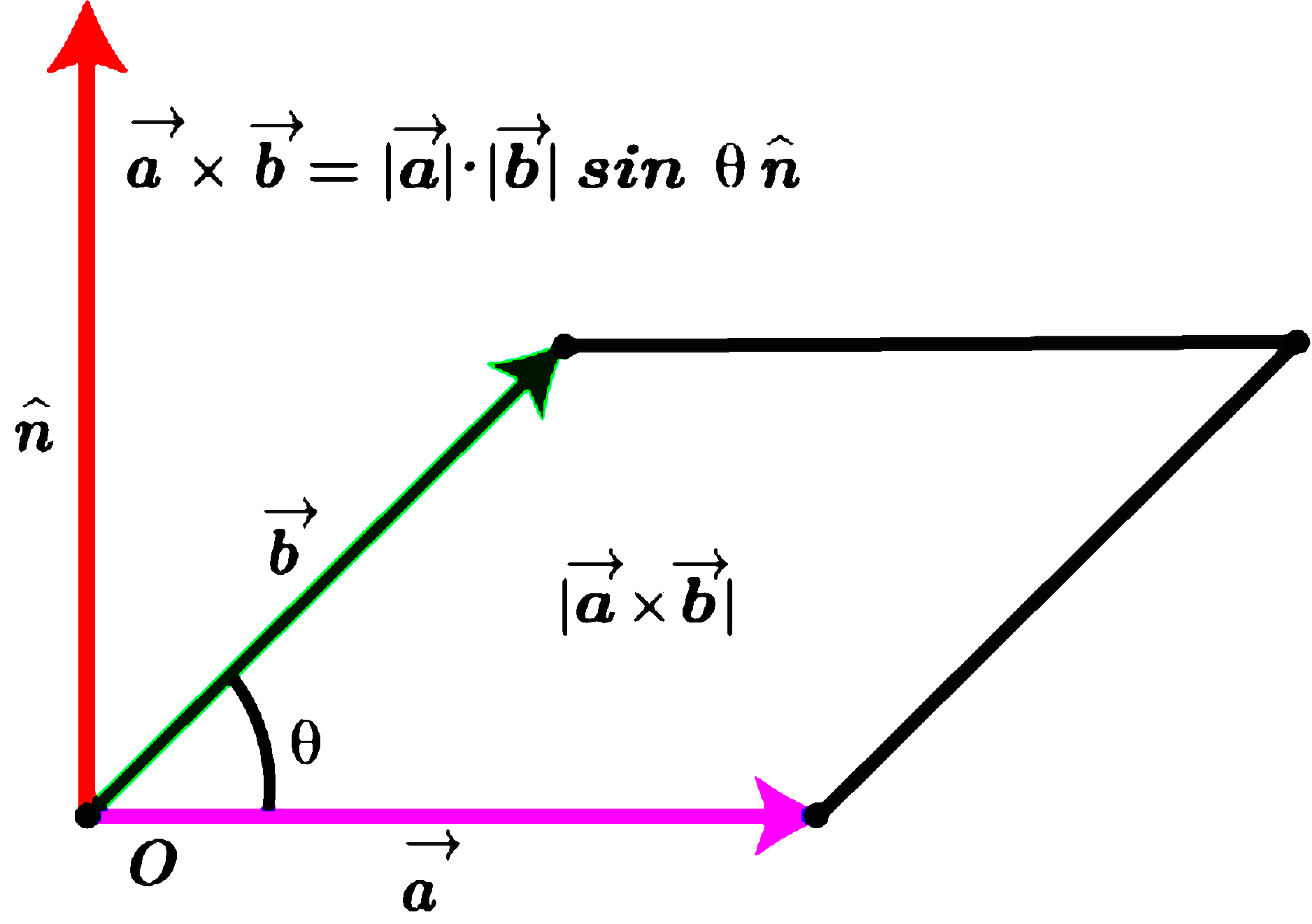
Figure 4.5: Area of Parallelogram using Vector Product
Example 13
vectors $\displaystyle \vec{a} = \begin{pmatrix} 1 \\ 2 \\ 3 \end{pmatrix}$ နှင့် $\displaystyle \vec{b} = \begin{pmatrix} 1 \\ 4 \\ -1 \end{pmatrix}$ တို့ဖြင့် ဖွဲ့စည်းထားသော parallelogram ၏ area ကို ရှာပါ။
ပထမဦးစွာ cross product $\displaystyle \vec{a} \times \vec{b}$ ကို ရှာပါမည်။
ထို့နောက် ရရှိလာသော vector ၏ magnitude ကို ရှာပါမည်။
ထို့ကြောင့် ပေးထားသော parallelogram ၏ area သည် $\displaystyle \sqrt{216} \text{ unit}^2$ ဖြစ်ပါသည်။
Example 14
vertices $\displaystyle A(1,-1,3)$, $\displaystyle B(0,4,1)$ နှင့် $\displaystyle C(2,7,2)$ တို့ရှိသော triangle ABC ၏ area ကို ရှာပါ။
triangle ၏ အနားနှစ်ခုကို ကိုယ်စားပြုမည့် vectors နှစ်ခုကို ဦးစွာရှာပါမည်။ ဥပမာ- $\displaystyle \overrightarrow{AB}$ နှင့် $\displaystyle \overrightarrow{AC}$
ယခုအခါ ထို vectors နှစ်ခု၏ cross product ကို ရှာပါမည်။
ရရှိလာသော vector ၏ magnitude ကို တွက်ချက်ပါမည်။
triangle ၏ area သည် parallelogram ဧရိယာ၏ တစ်ဝက်ဖြစ်သောကြောင့်-
Area of triangle $\displaystyle ABC = \frac{1}{2}|\overrightarrow{AB} \times \overrightarrow{AC}| = \frac{1}{2}\sqrt{299} \text{ unit}^2$.
Algebraic Properties of Vector Product
အကယ်၍ $\displaystyle \vec{a}$, $\displaystyle \vec{b}$ နှင့် $\displaystyle \vec{c}$ တို့သည် space ရှိ vectors များဖြစ်ပြီး k သည် scalar တစ်ခုဖြစ်ပါက၊ အောက်ပါ properties များကို မှတ်သားထားရပါမည်။ (သတိပြုရန်မှာ cross product သည် ရှေ့နောက်ပြောင်း၍ မြှောက်ပါက dot product ကဲ့သို့ အဖြေမတူပါ။ negative sign ထွက်လာပါသည်။)
- $\displaystyle \vec{a} \times \vec{b} = -(\vec{b} \times \vec{a})$ (Anti-commutative Law)
- $\displaystyle (k\vec{a}) \times \vec{b} = k(\vec{a} \times \vec{b})$
- $\displaystyle \vec{a} \times (\vec{b} + \vec{c}) = (\vec{a} \times \vec{b}) + (\vec{a} \times \vec{c})$ (Distributive Law)
- $\displaystyle \vec{a} \times \vec{0} = \vec{0}$
Geometric Properties of the Vector Product
- အကယ်၍ သုညမဟုတ်သော vectors $\displaystyle \vec{a}$ နှင့် $\displaystyle \vec{b}$ တို့ parallel နေပါက $\displaystyle \theta = 0^\circ$ သို့မဟုတ် $\displaystyle 180^\circ$ ဖြစ်မည်ဖြစ်ရာ $\displaystyle \sin\theta = 0$ ဖြစ်သွားသဖြင့် ၎င်းတို့၏ cross product မှာ zero vector ($\displaystyle \vec{0}$) ဖြစ်သွားပါမည်။ အထူးသဖြင့် မိမိကိုယ်တိုင် ပြန်မြှောက်လျှင် $\displaystyle \vec{a} \times \vec{a} = \vec{0}$ ဖြစ်သည်။
- အကယ်၍ သုညမဟုတ်သော vectors $\displaystyle \vec{a}$ နှင့် $\displaystyle \vec{b}$ တို့ perpendicular ဖြစ်နေပါက $\displaystyle \sin 90^\circ = 1$ ဖြစ်သွားသဖြင့် $\displaystyle |\vec{a} \times \vec{b}| = |\vec{a}||\vec{b}|$ ဖြစ်လာပါသည်။
Example 15
$\displaystyle \vec{a} = 3\hat{\text{i}} + 2\hat{\text{j}} + 5\hat{\text{k}}$ နှင့် $\displaystyle \vec{b} = \hat{\text{i}} - 4\hat{\text{j}} + 2\hat{\text{k}}$ ဟုပေးထားပါက-
(a) $\displaystyle \vec{a} \times \vec{b}$ ကို တွက်ပါ။
(b) $\displaystyle \vec{a}$ နှင့် $\displaystyle \vec{b}$ နှစ်ခုလုံးအား perpendicular ဖြစ်စေသော unit vector $\displaystyle \hat{\text{n}}$ ကို ရှာပါ။
(a) $\displaystyle \vec{a} \times \vec{b}$ ရှာခြင်း-
(b) vectors နှစ်ခုလုံးကို perpendicular ဖြစ်စေသော vector ဆိုသည်မှာ ၎င်းတို့၏ cross product ရလဒ်ပင် ဖြစ်ပါသည်။ သို့ဖြစ်ရာ ထို vector ၏ unit vector ကို ရှာရပါမည်။ $\displaystyle \vec{n} = \vec{a} \times \vec{b} = \begin{pmatrix} 24 \\ -1 \\ -14 \end{pmatrix}$ ဟု ထားပါမည်။
Example 16
$\displaystyle |\vec{a}|=4$, $\displaystyle |\vec{b}|=5$ ဖြစ်ပြီး $\displaystyle \vec{a}$ နှင့် $\displaystyle \vec{b}$ တို့သည် perpendicular ကြသည်ဟု သိထားပါက $\displaystyle |(2\vec{a}-\vec{b}) \times (\vec{a}+3\vec{b})|$ ၏ တန်ဖိုးကို တွက်ပါ။
ပထမဦးစွာ ကွင်းများကို cross product ၏ properties များ သုံး၍ ဖြန့်ပါမည်။ အရေးကြီးသည့်အချက်မှာ $\displaystyle \vec{a} \times \vec{a} = \vec{0}$, $\displaystyle \vec{b} \times \vec{b} = \vec{0}$ ဖြစ်ပြီး $\displaystyle \vec{b} \times \vec{a} = -(\vec{a} \times \vec{b})$ ဖြစ်သည်ကို အသုံးချရပါမည်။
ယခုအခါ magnitude ကို ရှာပါမည်။
vectors နှစ်ခု perpendicular ဖြစ်သဖြင့် $\displaystyle |\vec{a} \times \vec{b}| = |\vec{a}||\vec{b}|$ ဖြစ်သောကြောင့်-
Scalar Triple Product
vectors သုံးခု $\displaystyle \vec{a}, \vec{b}, \vec{c}$ တို့ကို $\displaystyle \vec{a} \cdot (\vec{b} \times \vec{c})$ ပုံစံဖြင့် ပေါင်းစပ်မြှောက်ခြင်းကို Scalar Triple Product ဟု ခေါ်ပါသည်။ ၎င်း၏ အဓိက အသုံးဝင်ပုံမှာ 3D space တွင် ထို vectors သုံးခုဖြင့် ဖွဲ့စည်းထားသော parallelepiped ၏ volume ကို ရှာဖွေနိုင်ခြင်း ဖြစ်ပါသည်။
Volume of Parallelepiped = $\displaystyle |\vec{a} \cdot (\vec{b} \times \vec{c})|$
Coplanarity Test: အကယ်၍ scalar triple product ၏ ရလဒ်သည် သုညဖြစ်နေပါက ($\displaystyle \vec{a} \cdot (\vec{b} \times \vec{c}) = 0$)၊ ထို vectors သုံးခုသည် volume မရှိသောကြောင့် plane တစ်ခုတည်းပေါ်တွင် အတူတကွ တည်ရှိနေသည် (coplanar ဖြစ်သည်) ဟု ကောက်ချက်ချနိုင်ပါသည်။
Example 17
vectors $\displaystyle \vec{a} = 2\hat{\text{i}} + \hat{\text{j}} - 3\hat{\text{k}}$, $\displaystyle \vec{b} = \hat{\text{i}} - 2\hat{\text{j}} + \hat{\text{k}}$ နှင့် $\displaystyle \vec{c} = -x\hat{\text{i}} + 5\hat{\text{j}} - 2\hat{\text{k}}$ တို့သည် coplanar ဖြစ်ကြပါက $\displaystyle x$ ၏ တန်ဖိုးကို ရှာပါ။
vectors များ coplanar ဖြစ်သဖြင့် ၎င်းတို့၏ scalar triple product သည် သုညဖြစ်ရပါမည်။ $\displaystyle \vec{a} \cdot (\vec{b} \times \vec{c}) = 0$။
ဦးစွာ $\displaystyle \vec{b} \times \vec{c}$ ကို ရှာပါမည်။
ထို့နောက် $\displaystyle \vec{a}$ ဖြင့် dot product ပြုလုပ်၍ သုညနှင့် ညီပါမည်။
Practice Problems
- အောက်ပါ vectors စုံတွဲ နှစ်ခုလုံးနှင့် perpendicular ဖြစ်သော vector ကို ရှာပါ။
(a) $\displaystyle \begin{pmatrix} 3 \\ 1 \\ 1 \end{pmatrix}$ နှင့် $\displaystyle \begin{pmatrix} 1 \\ 2 \\ 3 \end{pmatrix}$(b) $\displaystyle \begin{pmatrix} 3 \\ -1 \\ 4 \end{pmatrix}$ နှင့် $\displaystyle \begin{pmatrix} -1 \\ 1 \\ 5 \end{pmatrix}.$
- $\displaystyle \vec{a} = \begin{pmatrix} 2 \\ -1 \\ 3 \end{pmatrix}$ နှင့် $\displaystyle \vec{b} = \begin{pmatrix} 1 \\ 0 \\ -1 \end{pmatrix}$ ဟု ထားပါ။
- $\displaystyle \vec{a} \times \vec{b}$ ကို ရှာပါ။
- $\displaystyle |\vec{a} \times \vec{b}| = |\vec{a}||\vec{b}|\sin \theta$ ကို အသုံးပြု၍ $\displaystyle \sin \theta$ ကို ရှာပါ။
- မည်သည့် vectors $\displaystyle \vec{a}$ နှင့် $\displaystyle \vec{b}$ နှစ်ခုအတွက်မဆို $\displaystyle |\vec{a} \times \vec{b}|^2 + (\vec{a} \cdot \vec{b})^2 = |\vec{a}|^2|\vec{b}|^2$ ဖြစ်ကြောင်း သက်သေပြပါ။
- A, B နှင့် C points များ၏ coordinates များမှာ $\displaystyle (3, 5, 1)$, $\displaystyle (7, 7, 2)$ နှင့် $\displaystyle (-1,1,3)$ အသီးသီး ဖြစ်ကြသည်။
- $\displaystyle \vec{p} = \overrightarrow{AB} \times \overrightarrow{AC}$ နှင့် $\displaystyle \vec{q} = \overrightarrow{BA} \times \overrightarrow{BC}$ တို့ကို တွက်ချက်ပါ။
- vectors $\displaystyle \vec{p}$ နှင့် $\displaystyle \vec{q}$ တို့အပေါ် မည်သို့ ကောက်ချက်ချနိုင်သနည်း?
- $\displaystyle A(3,1,2)$, $\displaystyle B(-1,1,5)$ နှင့် $\displaystyle C(7,2,3)$ တို့သည် parallelogram ABCD ၏ vertices များ ဖြစ်ကြသည်။
- point D ၏ coordinates များကို ရှာပါ။
- parallelogram ၏ area ကို တွက်ပါ။
- $\displaystyle \vec{u} = \begin{pmatrix} 1 \\ -2 \\ 3 \end{pmatrix}$, $\displaystyle \vec{v} = \begin{pmatrix} 2 \\ 1 \\ -1 \end{pmatrix}$ နှင့် $\displaystyle \vec{w} = \begin{pmatrix} -3 \\ 4 \\ 2 \end{pmatrix}$ တို့ဖြင့် ဖွဲ့စည်းထားသော parallelepiped ၏ volume ကို ရှာပါ။
4.4 Lines and Planes in Space
Lines in Three-Dimensional Space
2D တွင် straight line တစ်ကြောင်းကို ဆွဲရန် gradient နှင့် point တစ်ခု လိုအပ်သကဲ့သို့၊ 3D တွင် line တစ်ကြောင်း၏ equation ကို သတ်မှတ်ရန်အတွက် ထို line ပေါ်ရှိ point တစ်မှတ် နှင့် ထို line ၏လားရာအတိုင်း ပြိုင်နေသော direction vector တစ်ခုကို သိရှိရန် လိုအပ်ပါသည်။
line ပေါ်တွင် တည်ရှိနေသော fixed point တစ်ခု A ၏ position vector ကို $\displaystyle \overrightarrow{OA} = \vec{a}$ ဟု ထားပါစို့။ line သည် vector $\displaystyle \vec{b}$ နှင့် parallel ဖြစ်သည် ဟု ဆိုပါစို့။ ထို line ပေါ်ရှိ မည်သည့် ကျပန်းအမှတ် R မဆို၏ position vector ကို $\displaystyle \overrightarrow{OR} = \vec{r}$ ဟု သတ်မှတ်ပါမည်။
ထိုအခါ $\displaystyle \overrightarrow{AR}$ သည် line ပေါ်တွင် ရှိနေသဖြင့် vector $\displaystyle \vec{b}$ နှင့် parallel ဖြစ်နေမည်မှာ အသေအချာပင်ဖြစ်ပါသည်။ သို့ဖြစ်၍ parallel vector သဘောတရားအရ parameter $\displaystyle t \in \mathbb{R}$ တစ်ခုအတွက် $\displaystyle \overrightarrow{AR} = t\vec{b}$ ဟု ရေးနိုင်ပါသည်။
Triangle law of vector addition အရ-
၎င်းသည် line ၏ vector equation ဖြစ်ပါသည်။
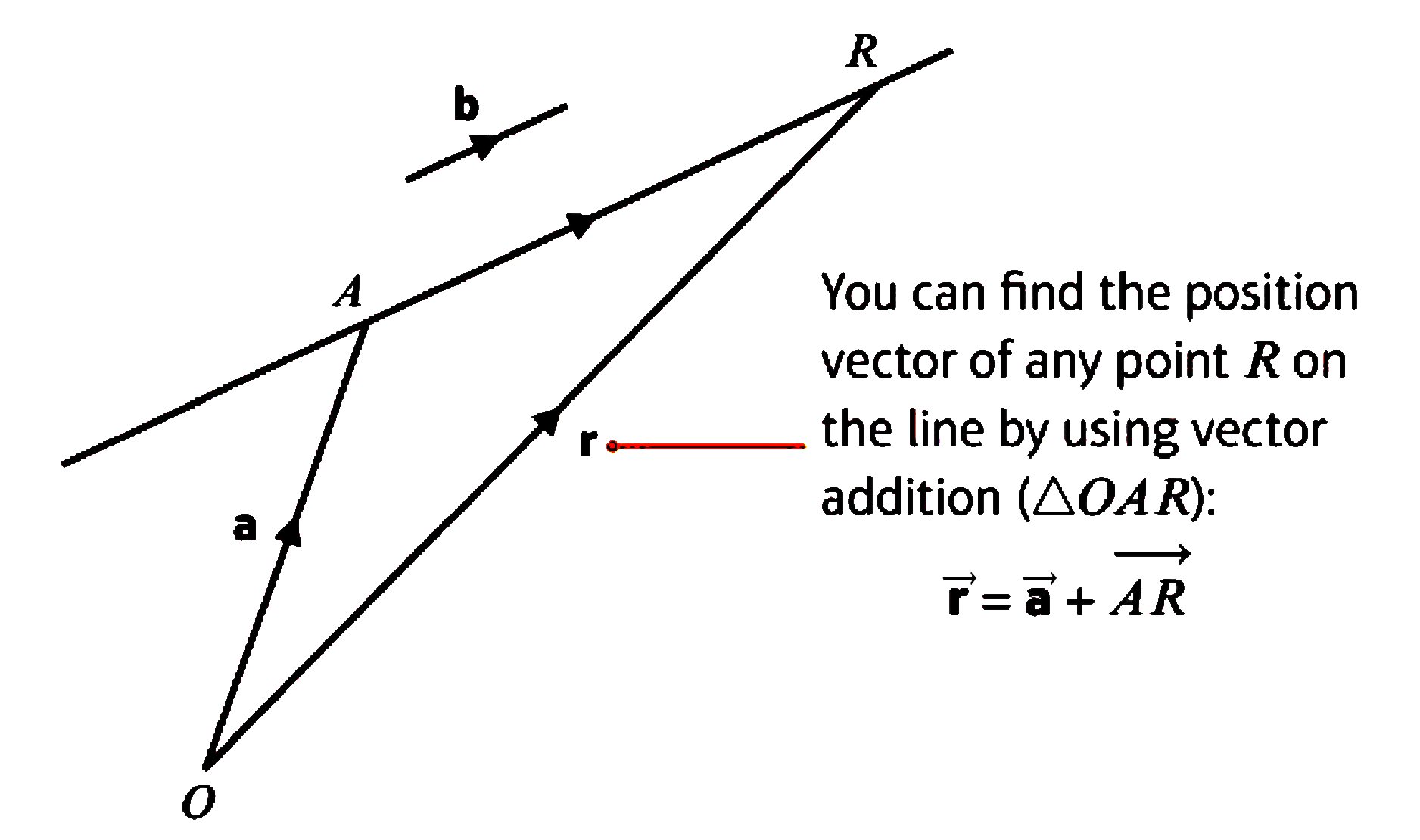
Figure 4.6: Vector Equation of a Line
3D တွင် components များဖြင့် ချရေးကြည့်ပါက $\displaystyle \overrightarrow{OR} = \vec{r} = \begin{pmatrix} x \\ y \\ z \end{pmatrix}$, $\displaystyle \vec{a} = \begin{pmatrix} a_1 \\ a_2 \\ a_3 \end{pmatrix}$ နှင့် $\displaystyle \vec{b} = \begin{pmatrix} b_1 \\ b_2 \\ b_3 \end{pmatrix}$ ဟု ထားပါမည်။
Vector Equation of a Line:
$\displaystyle \vec{r}$ သည် line ပေါ်ရှိ မည်သည့် point မဆို၏ တည်နေရာကို ကိုယ်စားပြုပြီး၊ $\displaystyle \vec{a}$ သည် line ပေါ်ရှိ သိပြီးသား fixed point ဖြစ်သည်။ $\displaystyle \vec{b}$ သည် line ၏ ဦးတည်ရာကို ပြသော direction vector ဖြစ်သည်။
Parametric Equation and Cartesian (Symmetric) Equation
အထက်ပါ vector equation ကို x, y, z component တစ်ခုချင်းစီအလိုက် ခွဲထုတ်ရေးသားပါက parametric equation ကို ရရှိပါသည်။ parameter $\displaystyle t$ တန်ဖိုး တစ်ခုချင်းစီ ပြောင်းလဲသွားတိုင်း line ပေါ်ရှိ point တစ်မှတ်စီကို အတိအကျ ဖော်ပြပေးနိုင်ပါသည်။
Parametric equations ၃ ကြောင်းလုံးမှ parameter $\displaystyle t$ ကို subject အဖြစ် ထား၍ equate လုပ်ပါက၊ $\displaystyle t$ မပါဝင်တော့သော Cartesian equation (သို့မဟုတ် Symmetric equation) ကို ရရှိမည် ဖြစ်ပါသည်။
Conversion Summary for Line Equations
Vector Form နှင့် Cartesian (Symmetric) Form အကြား အလွယ်တကူ ပြောင်းလဲနိုင်ရန် အောက်ပါအချက်ကို သတိပြုပါ။
- Vector Form: $\displaystyle \vec{r} = \begin{pmatrix} a_1 \\ a_2 \\ a_3 \end{pmatrix} + t\begin{pmatrix} b_1 \\ b_2 \\ b_3 \end{pmatrix}$
- Cartesian Form: $\displaystyle \frac{x-a_1}{b_1} = \frac{y-a_2}{b_2} = \frac{z-a_3}{b_3}$
Cartesian form ၏ numerators မှ $\displaystyle (a_1, a_2, a_3)$ သည် line ဖြတ်သွားသော fixed point ဖြစ်ပြီး၊ denominators မှ $\displaystyle \langle b_1, b_2, b_3 \rangle$ သည် direction vector ဖြစ်ပါသည်။
Example 18
Vector equation $\displaystyle \vec{r} = \begin{pmatrix} 1 \\ 4 \\ -1 \end{pmatrix} + t\begin{pmatrix} 3 \\ 2 \\ 5 \end{pmatrix}$ ရှိသော line ၏ Cartesian equation ကို ရှာပါ။
Vector equation ပုံစံ $\displaystyle \vec{r} = \vec{a} + t\vec{b}$ မှ $\displaystyle \begin{pmatrix} x \\ y \\ z \end{pmatrix} = \begin{pmatrix} 1 \\ 4 \\ -1 \end{pmatrix} + t\begin{pmatrix} 3 \\ 2 \\ 5 \end{pmatrix}$, $\displaystyle t \in \mathbb{R}$ အဖြစ် ရေးနိုင်ပါသည်။
ထို့ကြောင့် Parametric equations များမှာ-
၎င်းတို့ကို equate လုပ်လိုက်သောအခါ Cartesian equation ကို ရရှိပါသည်။
Example 19
point $\displaystyle A(3,-2,2)$ သည် equation $\displaystyle \frac{x+1}{2} = \frac{4-y}{3} = \frac{2z}{3}$ ရှိသော line ပေါ်တွင် တည်ရှိပါသလား?
point တစ်ခုသည် line ပေါ်တွင် ရှိမရှိ သိရန် ၎င်း၏ coordinates များကို equation တွင် substitute လုပ်၍ စစ်ဆေးရပါမည်။ ပေးထားသော $\displaystyle A(3,-2,2)$ ကို x, y, z အသီးသီးနေရာများတွင် အစားသွင်းကြည့်ပါမည်။
$\displaystyle 2 = 2 \ne \frac{4}{3}$ ဖြစ်နေသည်ကို တွေ့ရပါသည်။
substitute လုပ်လိုက်သော အပိုင်း ၃ ပိုင်းလုံး တန်ဖိုးတူညီမှု မရှိသောကြောင့် (coordinates များသည် Cartesian equation နှင့် မကိုက်ညီသဖြင့်) ထို point သည် line ပေါ်တွင် မတည်ရှိပါ (does not lie on the line)။
Relations between Lines in Space
3D space အတွင်းရှိ lines နှစ်ကြောင်း၏ ဆက်သွယ်ချက်သည် အဓိကအားဖြင့် ၃ မျိုး ရှိနိုင်ပါသည်။
- Intersecting Lines: line နှစ်ကြောင်းသည် point တစ်မှတ်တည်းတွင် ဖြတ်သွားကြသည်။ (coplanar ဖြစ်သည်)
- Parallel Lines: line နှစ်ကြောင်းသည် အကွာအဝေး အတူတူဖြင့် မျဉ်းပြိုင်သွားနေပြီး မည်သည့်အခါမျှ မဆုံတွေ့ကြပါ။ ၎င်းတို့၏ direction vectors များသည် parallel ဖြစ်သည်။ (coplanar ဖြစ်သည်)
- Skew Lines: 3D space တွင်သာ ရှိသော ထူးခြားချက်ဖြစ်သည်။ line နှစ်ကြောင်းသည် parallel လည်း မဟုတ်သလို၊ ဖြတ်လည်း မဖြတ်သွားကြပါ။ (coplanar မဟုတ်ပါ၊ မတူညီသော planes များတွင် ရှိနေကြသည်)
Planes in Three Dimensions
plane တစ်ခု၏ vector equation ကို ရှာဖွေရန်အတွက် straight lines များတွင် အသုံးပြုခဲ့သော concept ကိုပင် ချဲ့ထွင်အသုံးပြုရပါမည်။ line အတွက် direction vector တစ်ခုတည်း လိုအပ်သော်လည်း၊ plane တစ်ခုအတွက်မူ plane ပေါ်တွင်ရှိသော တစ်ခုနှင့်တစ်ခု မပြိုင်သည့် (nonparallel) vectors နှစ်ခု လိုအပ်ပါသည်။
plane ပေါ်ရှိ straight line တစ်ကြောင်းတည်းပေါ်တွင် မကျရောက်သော (noncollinear) points များဖြစ်သည့် A, B နှင့် C ကို စဉ်းစားပါ။ $\displaystyle \overrightarrow{OA} = \vec{a}$ ဟု ထားပါ။ ထို plane ပေါ်တွင်ရှိသော nonparallel vectors နှစ်ခုကို $\displaystyle \vec{d_1}$ နှင့် $\displaystyle \vec{d_2}$ ဟု သတ်မှတ်ပါ။ (ဥပမာ- $\displaystyle \vec{d_1} = \overrightarrow{AB}$ နှင့် $\displaystyle \vec{d_2} = \overrightarrow{AC}$ ဟု ယူနိုင်ပါသည်)။
ထို plane ပေါ်ရှိ မည်သည့် point R ၏ position vector ကိုမဆို $\displaystyle \overrightarrow{OR} = \vec{r}$ ဟုထားပါက၊ $\displaystyle \overrightarrow{AR}$ သည် $\displaystyle \vec{d_1}$ နှင့် $\displaystyle \vec{d_2}$ vectors နှစ်ခု၏ linear combination အဖြစ် ဖော်ပြနိုင်ပါသည်။ $\displaystyle \overrightarrow{AR} = t_1\vec{d_1} + t_2\vec{d_2}$ ဖြစ်လာပါမည်။
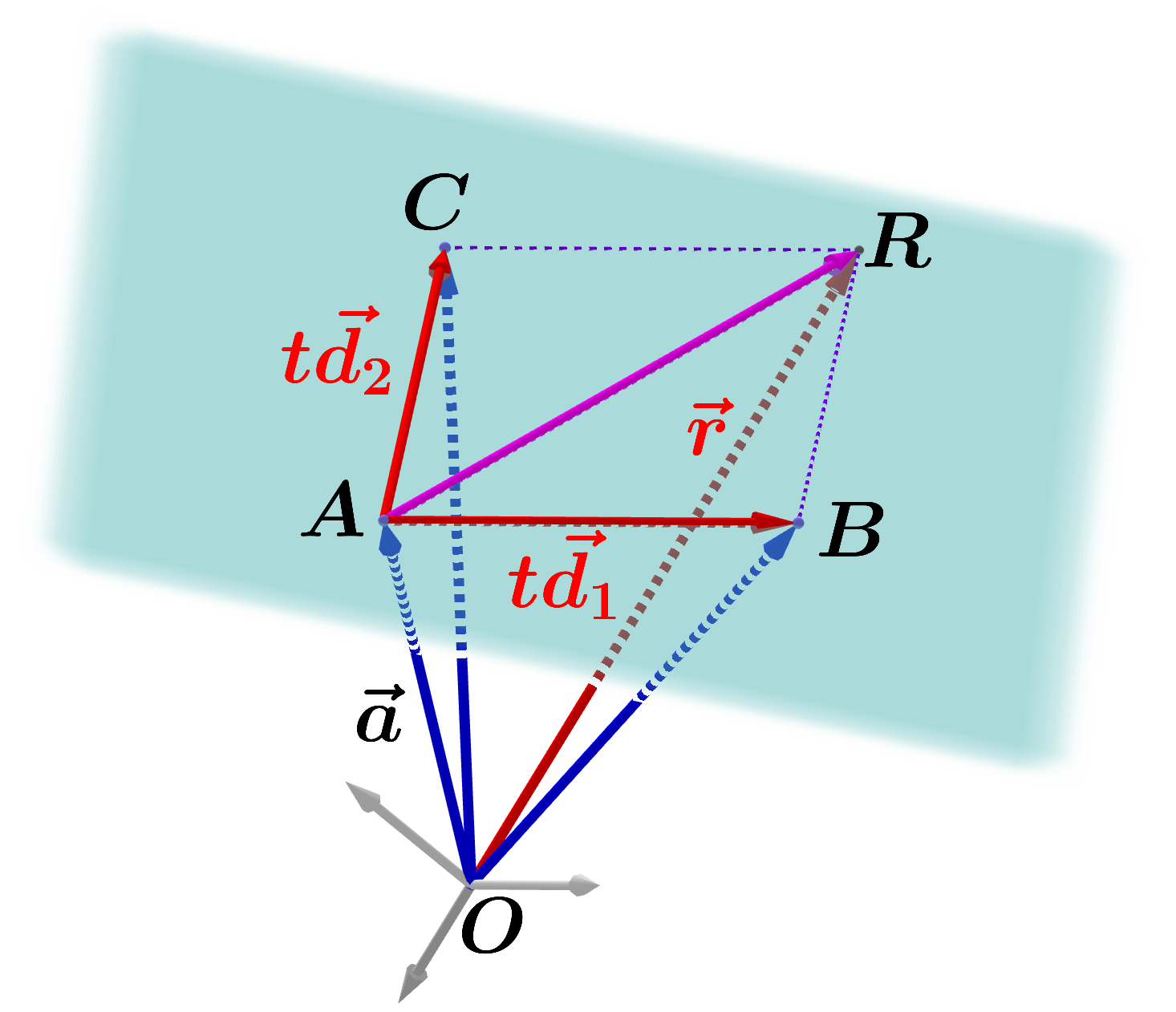
Figure 4.7: Position Vector on a Plane
Vector Equation of the Plane:
($\displaystyle \vec{a}$ သည် plane ပေါ်ရှိ fixed point တစ်ခုဖြစ်ပြီး၊ $\displaystyle \vec{d_1}$ နှင့် $\displaystyle \vec{d_2}$ တို့သည် plane ပေါ်ရှိ direction vectors များ ဖြစ်သည်။ $\displaystyle t_1, t_2$ မှာ parameters များ ဖြစ်သည်။)
Normal Vector
plane တစ်ခုလုံးနှင့် perpendicular ဖြစ်နေသော မည်သည့် vector ကိုမဆို normal vector (သို့) normal ဟု ခေါ်ပါသည်။ plane တစ်ခု၏ normal $\displaystyle \vec{n}$ သည် ထို plane ပေါ်တွင် ရှိသမျှ lines အားလုံး၊ vectors အားလုံးနှင့် perpendicular ဖြစ်ပါသည်။
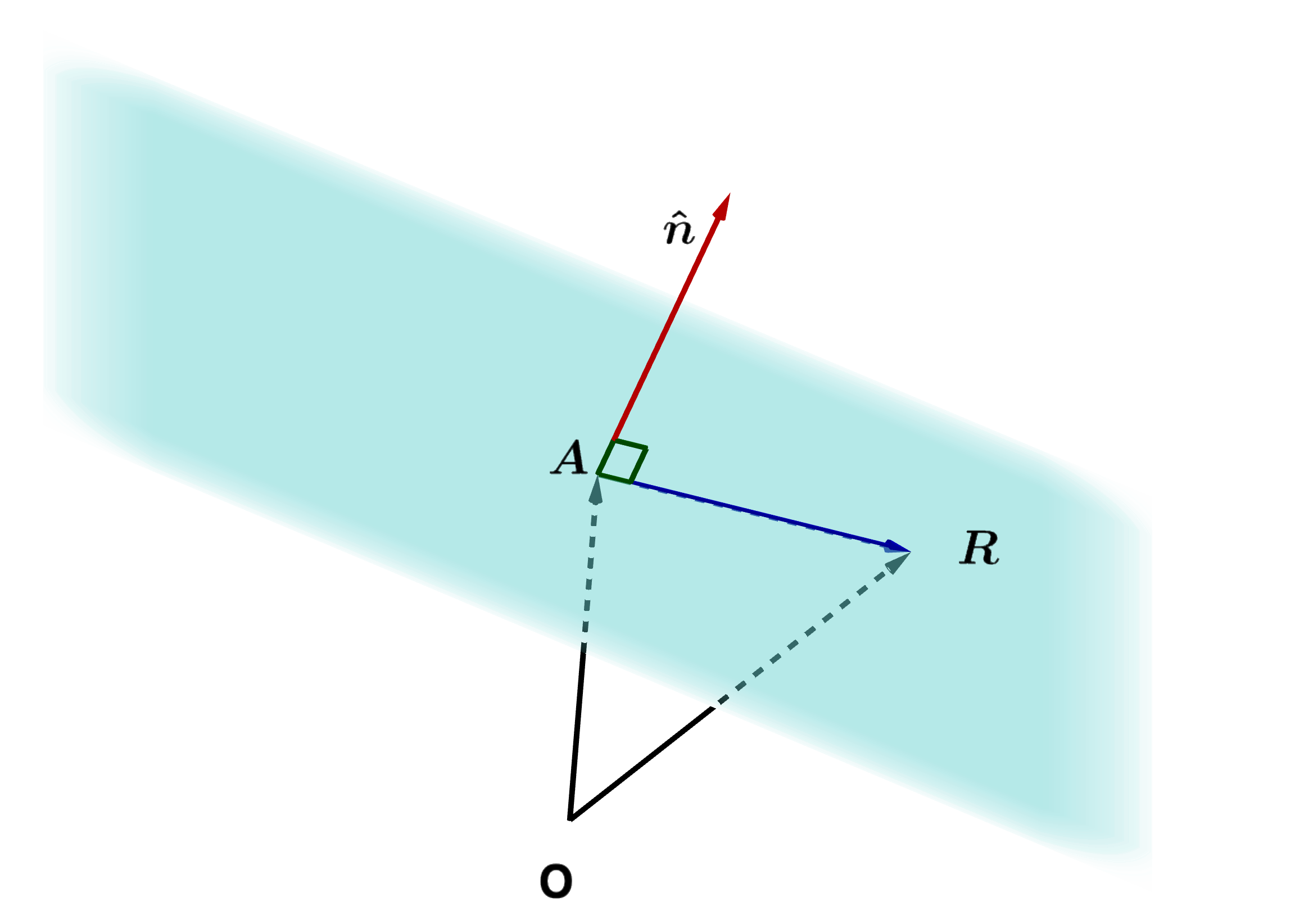
Figure 4.8: Normal Vector perpendicular to the Plane
Scalar Dot-Product Form of a Plane
အထက်ပါ vector equation တွင် parameters $\displaystyle t_1, t_2$ နှစ်ခုလုံး ပါဝင်နေခြင်းသည် တွက်ချက်မှု အချို့တွင် ရှုပ်ထွေးစေပါတယ်။ ထို့ကြောင့် normal vector ကို အသုံးပြု၍ ပိုမိုရိုးရှင်းသော equation တစ်ခုကို တည်ဆောက်ပါမည်。
plane ပေါ်ရှိ point A ၏ position vector ကို $\displaystyle \vec{a}$ ဟု ထားပါ။ ထို plane နှင့် perpendicular ဖြစ်သော normal vector ကို $\displaystyle \vec{n} = a\hat{\text{i}} + b\hat{\text{j}} + c\hat{\text{k}}$ ဟု သတ်မှတ်ပါ။ plane ပေါ်ရှိ point R ၏ position vector ကို $\displaystyle \vec{r} = x\hat{\text{i}} + y\hat{\text{j}} + z\hat{\text{k}}$ ဟု ထားပါ။
vector $\displaystyle \overrightarrow{AR}$ သည် plane ပေါ်တွင် အပြည့်အဝ တည်ရှိနေသောကြောင့်၊ ၎င်းသည် normal vector $\displaystyle \vec{n}$ နှင့် perpendicular ဖြစ်ရပါမည်။ perpendicular ဖြစ်ပါက dot product သုညဖြစ်ရမည် ဖြစ်သောကြောင့်-
ဤညီမျှခြင်း $\displaystyle \vec{r} \cdot \vec{n} = \vec{a} \cdot \vec{n}$ ကို scalar product form ဖြင့် ပြင်ညီညီမျှခြင်းဟု ခေါ်သည်။ $\displaystyle \vec{a}$ နှင့် $\displaystyle \vec{n}$ တို့သည် သတ်မှတ်ပြီးသား vectors များ ဖြစ်သောကြောင့် ၎င်းတို့၏ dot product $\displaystyle \vec{a} \cdot \vec{n}$ သည် scalar constant $\displaystyle d$ တစ်ခုသာ ဖြစ်သွားပါမည်။
အထက်ပါ $\displaystyle ax + by + cz = d$ ပုံစံသည် plane ၏ Cartesian equation ဖြစ်ပါသည်။ equation ရှိ $\displaystyle x, y, z$ တို့၏ coefficients များဖြစ်သော $\displaystyle a, b, c$ အသီးသီးသည် plane ၏ normal vector ၏ components များဖြစ်ကြောင်း သတိပြုမှတ်သားရပါမည်။
Connection: Plane Cartesian Equation & Normal Vector
Plane တစ်ခု၏ Cartesian equation အား $\displaystyle ax+by+cz+d = 0$ ပုံစံဖြင့် ပေးထားပါက၊ ၎င်း plane ၏ normal vector $\displaystyle \vec{n}$ ကို ချက်ချင်း ထုတ်ယူနိုင်ပါသည်။
Intercept Form (Bonus): plane ၏ equation ကို $\displaystyle \frac{x}{p} + \frac{y}{q} + \frac{z}{r} = 1$ ပုံစံရေးပါက $\displaystyle (p,0,0), (0,q,0), (0,0,r)$ တို့သည် plane ၏ x, y, z intercepts များ အသီးသီး ဖြစ်ကြပါသည်။
Example 20
points $\displaystyle M(2,2,-2)$, $\displaystyle N(1,-1,3)$ နှင့် $\displaystyle P(4,0,2)$ တို့ ပါဝင်သော plane ၏ vector equation ကို ရှာပါ။
ဆရာတို့ plane ပေါ်တွင်ရှိသော point တစ်မှတ်နှင့် direction vectors နှစ်ခု လိုအပ်ပါသည်။ point $\displaystyle M$ ကို fixed point အဖြစ်ယူပါမည်။ $\displaystyle \vec{a} = \overrightarrow{OM} = \begin{pmatrix} 2 \\ 2 \\ -2 \end{pmatrix}.$
direction vectors နှစ်ခုကို $\displaystyle M, N, P$ တို့မှတစ်ဆင့် ရှာပါမည်။
ထို့ကြောင့် $\displaystyle \vec{r} = \vec{a} + t_1\vec{d_1} + t_2\vec{d_2}$ ပုံစံအရ plane ၏ vector equation မှာ-
Example 21
points $\displaystyle M(2,2,-2)$, $\displaystyle N(1,-1,3)$ နှင့် $\displaystyle P(4,0,2)$ တို့ ပါဝင်သော plane ၏ Cartesian equation ကို ရှာပါ။
အထက်ပါ Example တွင် ရှာခဲ့သော vector equation ကို အသုံးပြု၍ parametric equations များ ချရေးပါမည်။ $\displaystyle \vec{r} = \begin{pmatrix} x \\ y \\ z \end{pmatrix}$ ဖြစ်သည်။
$\displaystyle t_1$ နှင့် $\displaystyle t_2$ များကို eliminate လုပ်ရန် equations များကို ဖြေရှင်းပါမည်။
equation (1) နှင့် (2) ကို ပေါင်းပါက $\displaystyle t_2$ ပျောက်သွားပါမည်။
equation (2) ကို ၂ ဖြင့် မြှောက်ပြီး (3) နှင့် ပေါင်းပါမည်။
ယခုအခါ equations (4) နှင့် (5) နှစ်ခုလုံးမှ $\displaystyle t_1$ ကို subject ထား၍ equate လုပ်ပါမည်။
၎င်းသည် လိုအပ်သော Cartesian equation ဖြစ်ပါသည်။ (မှတ်ချက် - $\displaystyle \overrightarrow{MN} \times \overrightarrow{MP}$ ဖြင့် cross product ရှာ၍ normal $\displaystyle \vec{n}$ ကို ယူပြီး တွက်လျှင်လည်း အတူတူပင် ရရှိပါမည်။)
Example 22
points $\displaystyle A(3,-1,4),$ $\displaystyle B(2,1,1)$, $\displaystyle C(4,3,1)$ နှင့် $\displaystyle D(-3,1,4)$ တို့သည် plane တစ်ခုတည်းပေါ်တွင် ရှိမရှိ (coplanar) စစ်ဆေးပါ။
ပထမဦးစွာ points A, B, C သုံးမှတ်ဖြတ်သန်းသော plane ၏ vector equation ကို ဦးစွာရှာပါမည်။ A ကို fixed point အဖြစ်ယူပြီး၊ direction vectors နှစ်ခုအတွက် $\displaystyle \overrightarrow{AB}$ နှင့် $\displaystyle \overrightarrow{AC}$ ကို ရှာပါမည်။
plane ၏ equation မှာ-
အကယ်၍ point D သည် ထို plane ပေါ်တွင် ရှိသည်ဆိုပါက၊ D ၏ coordinates များသည် အထက်ပါ equation နှင့် ကိုက်ညီရပါမည်။ $\displaystyle \vec{r} = \overrightarrow{OD} = \begin{pmatrix} -3 \\ 1 \\ 4 \end{pmatrix}$ ဟု ထား၍ စစ်ဆေးပါမည်။
equations (1) နှင့် (2) မှ $\displaystyle t_1, t_2$ တန်ဖိုးများကို ရှာပါမည်။ equation (1) ကို ၂ ဖြင့် မြှောက်ပါ။
equations (2) နှင့် (4) ကို ပေါင်းလိုက်ပါ-
$\displaystyle t_2$ တန်ဖိုးကို (1) တွင် substitute လုပ်ပါ-
ရရှိလာသော $\displaystyle t_1 = \frac{13}{3}$ နှင့် $\displaystyle t_2 = -\frac{5}{3}$ ကို ကျန်နေသော equation (3) ၏ LHS တွင် အစားသွင်း၍ စစ်ဆေးပါမည်။ RHS (4) နှင့် ညီမညီ ကြည့်ပါမည်။
$\displaystyle -4 \ne 4$ ဖြစ်သောကြောင့် equation မကိုက်ညီပါ။ ထို့ကြောင့် point D သည် A, B, C plane ပေါ်တွင် မရှိပါ (D does not lie on the same plane)။
Example 23
line $\displaystyle \vec{r} = \begin{pmatrix} -2 \\ 1 \\ 2 \end{pmatrix} + t\begin{pmatrix} -1 \\ 1 \\ 1 \end{pmatrix}$ နှင့် point $\displaystyle A(3,-1,2)$ နှစ်ခုလုံး ပါဝင်သော plane ၏ vector equation ကို ရှာပါ။
plane equation အတွက် fixed point အဖြစ် point $\displaystyle A$ ကို ယူပါမည်။ $\displaystyle \overrightarrow{OA} = \begin{pmatrix} 3 \\ -1 \\ 2 \end{pmatrix}.$
direction vectors နှစ်ခု လိုအပ်ရာတွင်၊ ပေးထားသော line သည် plane ပေါ်တွင် ရှိနေသဖြင့် line ၏ direction vector $\displaystyle \begin{pmatrix} -1 \\ 1 \\ 1 \end{pmatrix}$ ကို plane ၏ ပထမ direction vector $\displaystyle \vec{d_1}$ အဖြစ် တိုက်ရိုက်ယူနိုင်ပါသည်။
ဒုတိယ direction vector $\displaystyle \vec{d_2}$ ရှာရန်၊ line ပေါ်ရှိ fixed point ဖြစ်သော $\displaystyle B(-2,1,2)$ မှ point A သို့ ဆက်ဆွဲလိုက်သော vector $\displaystyle \overrightarrow{AB}$ ကို ယူပါမည်။
ယခုအခါ $\displaystyle \vec{d_1}$ နှင့် $\displaystyle \vec{d_2}$ နှစ်ခုလုံး plane ပေါ်တွင် ရရှိပြီဖြစ်၍ vector equation မှာ-
Example 24
vector $\displaystyle \vec{n} = \begin{pmatrix} 2 \\ 4 \\ -2 \end{pmatrix}$ သည် point $\displaystyle A(1,-5,2)$ ပါဝင်သော plane တစ်ခုနှင့် perpendicular ဖြစ်နေပါသည်။
(a) ထို plane ၏ equation ကို $\displaystyle \vec{r} \cdot \vec{n} = d$ ပုံစံဖြင့် ရေးပါ။
(b) ထို plane ၏ Cartesian equation ကို ရှာပါ။
(a) plane ၏ normal ဖြင့် ရေးသော equation မှာ $\displaystyle \vec{r} \cdot \vec{n} = \vec{a} \cdot \vec{n}$ ဖြစ်သည်။ ပေးထားချက်များမှာ $\displaystyle \vec{n} = \begin{pmatrix} 2 \\ 4 \\ -2 \end{pmatrix}$ နှင့် $\displaystyle \vec{a} = \begin{pmatrix} 1 \\ -5 \\ 2 \end{pmatrix}$ ဖြစ်သည်။ $\displaystyle d$ တန်ဖိုးကို တွက်ပါမည်။
ထို့ကြောင့် vector form equation မှာ $\displaystyle \vec{r} \cdot \begin{pmatrix} 2 \\ 4 \\ -2 \end{pmatrix} = -22$ သို့မဟုတ် $\displaystyle \vec{r} \cdot \vec{n} = -22$ ဖြစ်ပါသည်။
(b) Cartesian equation ရရန် $\displaystyle \vec{r}$ နေရာတွင် $\displaystyle \begin{pmatrix} x \\ y \\ z \end{pmatrix}$ ကို substitute လုပ်၍ dot product မြှောက်ပါမည်။
equation တစ်ခုလုံးကို ၂ ဖြင့် စား၍ ရိုးရှင်းအောင် လုပ်ပါက-
Relations between Planes
plane နှစ်ခု၏ ဆက်သွယ်ချက်ကို ၎င်းတို့၏ normal vectors များ $\displaystyle \vec{n_1}$ နှင့် $\displaystyle \vec{n_2}$ တို့အား ကြည့်၍ လွယ်ကူစွာ သိရှိနိုင်ပါသည်။
- Parallel Planes: normal vector နှစ်ခု parallel ဖြစ်လျှင် ($\displaystyle \vec{n_1} = k\vec{n_2}$) planes နှစ်ခုသည်လည်း parallel ဖြစ်သည်။
- Perpendicular Planes: normal vector နှစ်ခု perpendicular ဖြစ်လျှင် ($\displaystyle \vec{n_1} \cdot \vec{n_2} = 0$) planes နှစ်ခုသည်လည်း perpendicular ဖြစ်သည်။
- Intersecting Planes: Plane နှစ်ခုသည် parallel မဟုတ်ပါက၊ ၎င်းတို့သည် straight line တစ်ကြောင်းတည်း၌ အမြဲ ဖြတ်သွားကြပါသည်။
Angles and Distances (Lines and Planes)
1. Angle between two planes
Planes နှစ်ခုကြားရှိ angle $\displaystyle \theta$ သည် ၎င်းတို့၏ normal vectors $\displaystyle \vec{n_1}$ နှင့် $\displaystyle \vec{n_2}$ ကြားရှိ angle နှင့် တူညီပါသည်။
2. Angle between a line and a plane
Line (direction vector $\displaystyle \vec{b}$) နှင့် plane (normal vector $\displaystyle \vec{n}$) တို့ကြားရှိ angle ကို $\displaystyle \alpha$ ဟု ထားပါက-
3. Distance from a point to a plane
3D space အတွင်းရှိ အမှတ်တစ်ခုနှင့် plane တစ်ခုကြား distance ကို စဉ်းစားရာတွင် plane ပေါ်ရှိ point တိုင်းသို့ distance အမျိုးမျိုး ရနိုင်ပါသည်။ သို့သော် distance from a point to a plane ဟုဆိုသောအခါ အနီးဆုံး (shortest) distance ကိုသာ ရည်ညွှန်းပါသည်။ ထိုအကွာအဝေးသည် plane ပေါ်သို့ perpendicular ကျသော distance ဖြစ်ပါသည်။
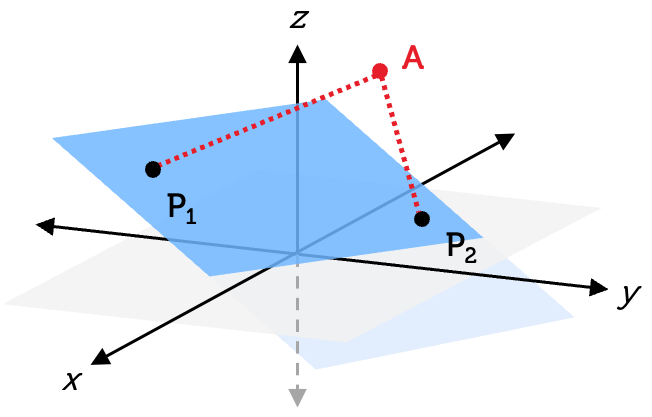
Figure 4.17(a): Point and plane
ပုံတွင် plane ပေါ်ရှိ point များအနက် $\displaystyle P_1$ နှင့် $\displaystyle P_2$ တို့ကဲ့သို့ point များကို ယူလျှင် $\displaystyle AP_1, AP_2$ စသော distance များစွာ ရနိုင်ပါသည်။ သို့သော် အမှတ်တစ်ခုနှင့် plane တစ်ခုကြား distance ကို ရှာရန် မေးလာသောအခါ shortest distance ကိုသာ ရှာရပါမည်။
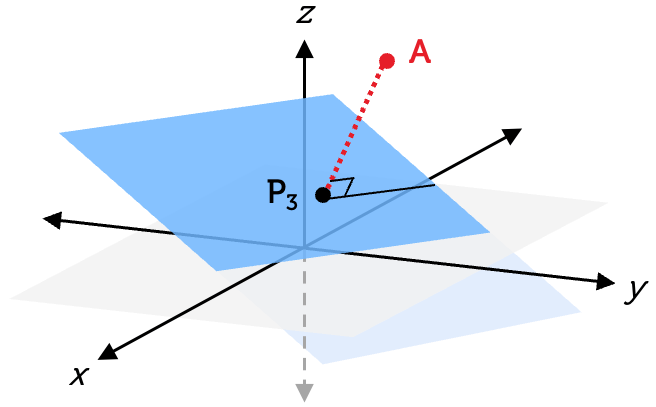
Figure 4.17(b): The shortest distance is the perpendicular distance
Perpendicular distance
အောက်ပါပုံကို လေ့လာကြည့်ပါ။ Plane ပေါ်ရှိ point တစ်မှတ်ကို $\displaystyle P$ ဟု ယူပြီး plane ပေါ်မရှိသော point ကို $\displaystyle A$ ဟု ယူပါသည်။ Point $\displaystyle A$ မှ plane သို့ အနီးဆုံး distance ကို ရှာရန် plane ၏ normal direction ကို အသုံးပြုရပါမည်။
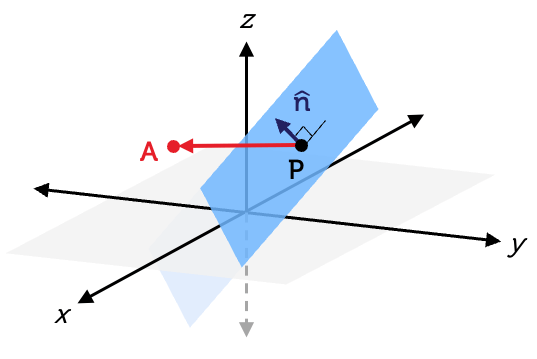
Figure 4.17(c): Perpendicular distance construction
Point $\displaystyle A$ မှ plane သို့ perpendicular distance ကို ရှာဖွေရန် အောက်ပါအတိုင်း စဉ်းစားနိုင်ပါသည်။
- Plane ပေါ်ရှိ မည်သည့် point $\displaystyle P$ ကိုမဆို ရွေးချယ်ပါ။
- $\displaystyle P$ မှ $\displaystyle A$ သို့ vector ကို $\displaystyle \overrightarrow{PA}$ ဟု သတ်မှတ်ပါ။
- Plane နှင့် perpendicular ဖြစ်သော normal vector $\displaystyle \vec{n}$ ကို သတ်မှတ်ပါ။
- ထို normal vector ၏ unit vector ကို ရှာပါ။
$\displaystyle \hat{n}=\frac{\vec{n}}{|\vec{n}|}$
- $\displaystyle \overrightarrow{PA}$ ကို unit normal vector ပေါ်သို့ project လုပ်လျှင် perpendicular distance ကို ရရှိပါသည်။ တစ်နည်းဆိုရသော် Point မှ plane သို့ အနီးဆုံးအကွာအဝေးသည် point မှ plane သို့ ဆွဲသော perpendicular vector ၏ magnitude ဖြစ်သည်
$\displaystyle \begin{aligned} D &= \left|\overrightarrow{PA}\cdot \hat{n}\right| \\ &= \left|\overrightarrow{PA}\cdot \frac{\vec{n}}{|\vec{n}|}\right| \end{aligned}$
Plane ကို edge view အနေဖြင့် ကြည့်မည်ဆိုလျှင် perpendicular distance ကို ပိုမိုရှင်းလင်းစွာ နားလည်နိုင်ပါသည်။
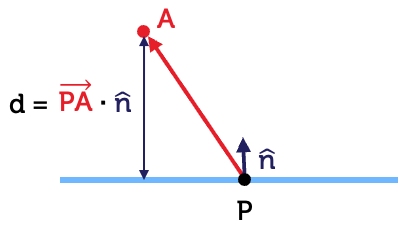
Figure 4.17(d): Edge view of the perpendicular distance
Derivation of the Formula
ယခု plane ၏ equation ကို $\displaystyle ax+by+cz+d=0$ ဟု ယူပါစို့။ ထို plane ၏ normal vector သည်
ဖြစ်ပြီး ၎င်း၏ magnitude သည်
ဖြစ်ပါသည်။ ထို့ကြောင့် corresponding unit normal vector သည်
ဟု ရပါသည်။ Plane ပေါ်ရှိ point တစ်မှတ်ကို $\displaystyle P(x_0,y_0,z_0)$ ဟု ယူပြီး plane ပေါ်မရှိသော point ကို $\displaystyle A(x_1,y_1,z_1)$ ဟု ယူပါစို့။ ထိုအခါ
ဖြစ်ပါသည်။ Attachment 1 တွင်သုံးထားသော formula အတိုင်း perpendicular distance ကို unit normal vector ပေါ်သို့ projection ယူ၍
ထို့ပြင် point $\displaystyle P(x_0,y_0,z_0)$ သည် plane ပေါ်ရှိသောကြောင့်
ဟု ရပါသည်။ ယင်းကို အထက်ပါ expression ထဲသို့ အစားသွင်းလျှင်
ထို့ကြောင့် point $\displaystyle A(x_1,y_1,z_1)$ မှ plane $\displaystyle ax+by+cz+d=0$ သို့ perpendicular distance formula သည်
ဖြစ်ပါသည်။
(i) Using unit normal vector
ဤနည်းတွင် plane ပေါ်ရှိ point $\displaystyle P$ တစ်မှတ်ကို ရွေးပြီး $\displaystyle \overrightarrow{PA}$ ကို unit normal vector ပေါ်သို့ project လုပ်ကာ perpendicular distance ကို ရှာပါသည်။
(ii) Direct formula
Point $\displaystyle A(x_1,y_1,z_1)$ နှင့် plane $\displaystyle ax+by+cz+d=0$ တို့ကို တိုက်ရိုက် substitute လုပ်၍ perpendicular distance ကို တန်းရှာနိုင်ပါသည်။
Example 25
Plane $2x - y + 2z = 4$ နှင့် plane $x + 2y - 2z = 6$ တို့ကြားရှိ angle $\displaystyle \theta$ ကို ရှာပါ။
ပထမ plane ၏ normal မှာ $\displaystyle \vec{n_1} = \begin{pmatrix} 2 \\ -1 \\ 2 \end{pmatrix}$ ဖြစ်ပြီး ဒုတိယ plane ၏ normal မှာ $\displaystyle \vec{n_2} = \begin{pmatrix} 1 \\ 2 \\ -2 \end{pmatrix}$ ဖြစ်သည်။
Example 26
point $\displaystyle A(3, 1, -2)$ မှ plane $\displaystyle 2x+y-2z+5=0$ သို့ ကျရောက်သော shortest distance ကို ရှာပါ။
formula တွင် တိုက်ရိုက် substitute လုပ်ပါမည်။
Practice Problems
- အောက်ပါ lines များ၏ vector equation ကို ရှာပါ။
- $\displaystyle \begin{pmatrix} 2 \\ 1 \\ 3 \end{pmatrix}$ နှင့် parallel ဖြစ်ပြီး $\displaystyle (1,3,-7)$ point ကို ဖြတ်သန်းသွားသော line။
- $\displaystyle (0,1,2)$ point ကို ဖြတ်သန်းပြီး direction vector $\displaystyle \hat{\text{i}} + \hat{\text{j}} - 2\hat{\text{k}}$ ရှိသော line။
- x-axis နှင့် parallel ဖြစ်ပြီး $\displaystyle (-2,2,2)$ point ကို ဖြတ်သန်းသွားသော line။
-
- parametric equations များ $\displaystyle x = 3t + 1$, $\displaystyle y = 4 - 2t$, $\displaystyle z = 3t - 1$ ဖြစ်သော line ၏ Cartesian equation ကို ရှာပါ။
- ထို line ၏ လားရာအတိုင်း သွားသော unit vector ကို ရှာပါ။
- အောက်ပါ planes များ၏ equation ကို ရှာပါ။
- normal vector $\displaystyle \begin{pmatrix} 2 \\ -1 \\ 3 \end{pmatrix}$ ရှိပြီး $\displaystyle (-1, 2, 4)$ point ကို ဖြတ်သန်းသွားသော plane။
- points $\displaystyle A(2, 3, 1)$ နှင့် $\displaystyle B(5, 7, 2)$ ဆက်ဆွဲထားသော line ကို perpendicular ဖြစ်ပြီး point A ကို ဖြတ်သန်းသွားသော plane။
- point $\displaystyle A(3, 2, 1)$ နှင့် line $\displaystyle x=1+t$, $\displaystyle y=2-t$, $\displaystyle z=3+2t$ တို့ ပါဝင်သော plane။
- $\displaystyle A(-1,2,1)$, $\displaystyle B(4,1,1)$ နှင့် $\displaystyle C(2,0,3)$ တို့ကို ဖြတ်သန်းသွားသော plane ၏ equation ကို ရှာပါ။
- vector form ဖြင့် ရေးပါ။
- Cartesian form ဖြင့် ရေးပါ။
- vector equation $\displaystyle \vec{r} = \begin{pmatrix} 1 \\ 2 \\ 3 \end{pmatrix} + t_1\begin{pmatrix} 1 \\ 1 \\ 2 \end{pmatrix} + t_2\begin{pmatrix} 2 \\ -1 \\ 5 \end{pmatrix}$ ရှိသော plane ၏ Cartesian equation ကို ရှာပါ။
Chapter 4 Summary Cheat Sheet
- $\displaystyle |\vec{v}| = \sqrt{x^2+y^2+z^2}$
- $\displaystyle \hat{v} = \frac{\vec{v}}{|\vec{v}|}$
- $\displaystyle \vec{a} \cdot \vec{b} = x_1x_2 + y_1y_2 + z_1z_2$
- $\displaystyle \cos \theta = \frac{\vec{a} \cdot \vec{b}}{|\vec{a}||\vec{b}|}$
- If $\displaystyle \vec{a} \perp \vec{b}$, then $\displaystyle \vec{a} \cdot \vec{b} = 0$.
- $\displaystyle |\vec{a} \times \vec{b}|$ = Area of parallelogram.
- If $\displaystyle \vec{a} \parallel \vec{b}$, then $\displaystyle \vec{a} \times \vec{b} = \vec{0}$.
- Volume = $\displaystyle |\vec{a} \cdot (\vec{b} \times \vec{c})|$
- Coplanar if Volume = 0.
- Vector: $\displaystyle \vec{r} = \vec{a} + t\vec{b}$
- Cartesian: $\displaystyle \frac{x-a_1}{b_1} = \frac{y-a_2}{b_2} = \frac{z-a_3}{b_3}$
- Vector: $\displaystyle \vec{r} = \vec{a} + t_1\vec{d_1} + t_2\vec{d_2}$
- Normal form: $\displaystyle \vec{r} \cdot \vec{n} = \vec{a} \cdot \vec{n}$
- Cartesian: $\displaystyle ax+by+cz+d=0$
Cumulative Review Exercises (Mixed Problems)
- $\displaystyle \vec{a} = 2\hat{\text{i}} - \hat{\text{j}} + \hat{\text{k}}$, $\displaystyle \vec{b} = \hat{\text{i}} + 2\hat{\text{j}} - 3\hat{\text{k}}$ နှင့် $\displaystyle \vec{c} = 3\hat{\text{i}} + a\hat{\text{j}} + 5\hat{\text{k}}$ တို့သည် coplanar ဖြစ်ကြပါက constant $a$ ကို ရှာပါ။
- Line $L_1$: $\displaystyle \frac{x-1}{2} = \frac{y+2}{3} = \frac{z-3}{4}$ နှင့် Plane $\displaystyle \pi$: $\displaystyle 2x - y + z = 5$ တို့ ဖြတ်သန်းရာ point of intersection ကို ရှာပါ။ ထို့နောက် ၎င်းတို့ကြားရှိ angle ကို တွက်ပါ။
- points $\displaystyle P(1,-1,2)$ မှ plane $\displaystyle 3x+2y-6z-5=0$ သို့ ကျရောက်သော shortest distance ကို တွက်ချက်ပါ။
- Line $L_1$: $\displaystyle \vec{r} = \begin{pmatrix} 1 \\ 0 \\ -1 \end{pmatrix} + \lambda \begin{pmatrix} 2 \\ 1 \\ -2 \end{pmatrix}$ နှင့် Line $L_2$: $\displaystyle \vec{r} = \begin{pmatrix} 3 \\ 1 \\ -3 \end{pmatrix} + \mu \begin{pmatrix} 1 \\ -1 \\ 2 \end{pmatrix}$ တို့သည် intersecting lines များဖြစ်ကြောင်း သက်သေပြပြီး point of intersection ကို ရှာပါ။ ၎င်း lines နှစ်ခုလုံး ပါဝင်သော plane ၏ Cartesian equation ကိုပါ ရှာပါ။
- Plane နှစ်ခုဖြစ်သော $\displaystyle x-2y+2z=4$ နှင့် $\displaystyle 2x+y-2z=6$ တို့ကြားရှိ acute angle ကို တွက်ပါ။